You want your home’s exterior to look polished before you list, but you don’t want a small refresh to snowball into months of permitting. In Northwest Portland’s Alphabet and nearby historic areas, the rules can feel confusing if you’re trying to make quick, smart updates. This guide shows you what you can do quickly, what tends to trigger reviews, and how to plan your timeline with confidence. Let’s dive in.
Know your historic status
Before you schedule any work, confirm whether your property is a locally designated Landmark or lies within a local historic district such as the Alphabet Historic District. Local designation and the City of Portland’s Historic Resource Protection rules drive review requirements. National Register or state listings provide context, but local code is what triggers Historic Resource Review. Visibility from the public way often matters most: changes seen from the street usually receive more scrutiny than those at the rear.
If your home is not within a local historic district, you may still be in a zone that uses Community Design Standards. In that case, many exterior changes can move forward if you meet objective standards. Either way, verify your status with the City of Portland’s Bureau of Development Services and ask questions early.
Fast curb appeal wins
Many tidy-up projects can move quickly when they are maintenance or replacement in kind. Always confirm the details with city staff, but these are common quick wins:
- Routine maintenance and in-kind repairs: patching or replacing damaged siding, trim, or porch elements with the same materials and profiles; repointing masonry without changing patterns; replacing the roof with the same type and color if allowed as in-kind.
- Softscape and temporary items: planting, pruning, removing non-historic vegetation, and adding seasonal planters or moveable outdoor furniture.
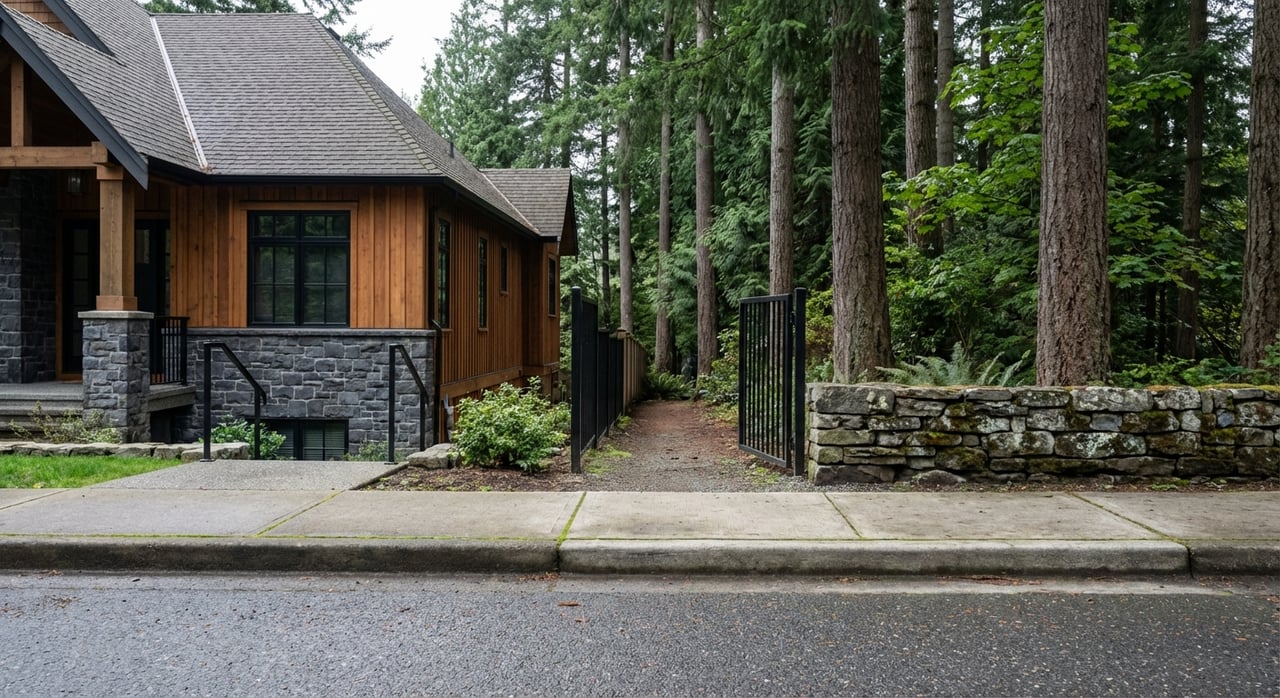
- Small fences and gates that meet height and setback rules: many can be permitted or allowed outright when they meet objective standards.
- Small accessory items: surface-mounted, small-scale exterior lighting installed thoughtfully to avoid glare.
- Paint and color: repainting is often considered maintenance. It is still smart to confirm with staff if your property is locally designated.
- Utility work out of view: minor mechanical replacements and interior electrical or plumbing that do not alter the exterior.
Important caveats
- In-kind matters: matching original materials, profiles, and placement is far more likely to be exempt than substituting new materials.
- Visibility counts: the same work at the rear may be treated differently than on the primary street-facing façade.
- Windows and porches are sensitive: even if you view them as maintenance, these elements often define a home’s character and are frequently reviewed.
Projects that tend to trigger review
If you’re planning any of the following visible changes, build extra time into your schedule and be ready for Historic Resource Review:
- Window replacement on street-facing elevations, especially any change in size, proportion, material, or muntin pattern.
- Porch alterations: enclosure, rebuilds with new proportions, or removal/alteration of historic features.
- New additions or dormers visible from a public right-of-way.
- Siding changes that alter material or profile where visible.
- New or relocated primary entrances, steps, or major façade changes.
- New ADUs or detached structures visible from the street, and front-yard grading or retaining walls.
- Roofing changes that alter appearance, such as visible skylights or rooftop decks.
- Large new fences or walls that exceed standard height limits.
- Solar panels, satellite dishes, and rooftop equipment visible from the public way.
- Demolition or removal of character-defining exterior features.
- New signs or significant public-facing lighting schemes and mechanical systems.
How long reviews typically take
Timelines vary with workload and complexity, but conservative planning helps keep your sale on track.
- Exempt or building permit only: once confirmed and approved, many items move in days to a few weeks.
- Historic Resource Review, Type I or administrative for minor, objective compliance: weeks to a couple months including permit issuance.
- Historic Resource Review, Type II with public notice: plan for several months, commonly 2 to 3 months from application to decision, plus time for building permits.
- Historic Resource Review, Type III with hearings: typically 3 to 6 months or more including notice, scheduling, possible revisions, and appeal periods.
Appeals or revisions can add additional months. If you expect a discretionary review, start early and stage other listing prep in parallel.
Planning checklist to avoid detours
Use this practical sequence to move quickly while reducing risk of stop-work or rework:
- Confirm designation: verify whether your property is a local landmark or within the Alphabet Historic District or another local district.
- Map your path: compare your scope to the city’s list of Historic Resource Protection exemptions and maintenance rules; if not in a historic district, check whether Community Design Standards apply to your zone.
- Get it in writing: if you believe work is exempt, ask historic resources staff to confirm in writing before you schedule crews.
- Prepare documentation: for non-exempt work, assemble clear photos, measured drawings, material and color samples, and a brief narrative that explains in-kind replacement or compatibility with district character.
- Use conservative design choices: keep openings, trim profiles, and proportions consistent with existing; avoid conspicuous modern materials on principal elevations.
- Schedule with buffers: for visible non-trivial changes, budget at least 3 months for a Type II path and 6 or more months for a Type III review.
- Consider experienced professionals: a local architect, preservation consultant, or contractor familiar with Portland’s process can reduce back-and-forth and save time overall.
Use Community Design Standards
When Community Design Standards apply to your property, they provide an objective checklist that can help you proceed without discretionary design review. This can speed approvals for items like compliant fences, small additions, landscaping, and driveways.
- Verify applicability: not all historic districts allow the CDS path, and zoning matters.
- Document compliance: prepare submittals that clearly show how you meet each objective standard so plan examiners can approve your permit.
If you can meet CDS and avoid discretionary review, your plan review window often shrinks to a few weeks rather than months.
A simple pre-list timeline
Every home and scope is different, but this practical outline can help you sequence work without delaying a launch.
- Weeks 1–2: confirm designation, request written confirmation for any exemptions, and finalize your scope of quick, in-kind fixes.
- Weeks 2–4: complete maintenance and in-kind repairs; submit any permit applications that rely on objective standards.
- Weeks 4–6: if using Community Design Standards, expect 2 to 6 weeks of plan review depending on workload; line up contractors for fast starts after approval.
- Months 2–4+: if your project triggers Historic Resource Review Type II, plan 8 to 12 or more weeks from application to decision, then proceed with building permits. For Type III with a hearing, expect 3 to 6 or more months.
While reviews progress, you can advance interior prep, inspections, and staging plans so your market date holds once exterior work clears.
Smart choices for curb appeal
Focus on visible freshness that does not alter character-defining elements:
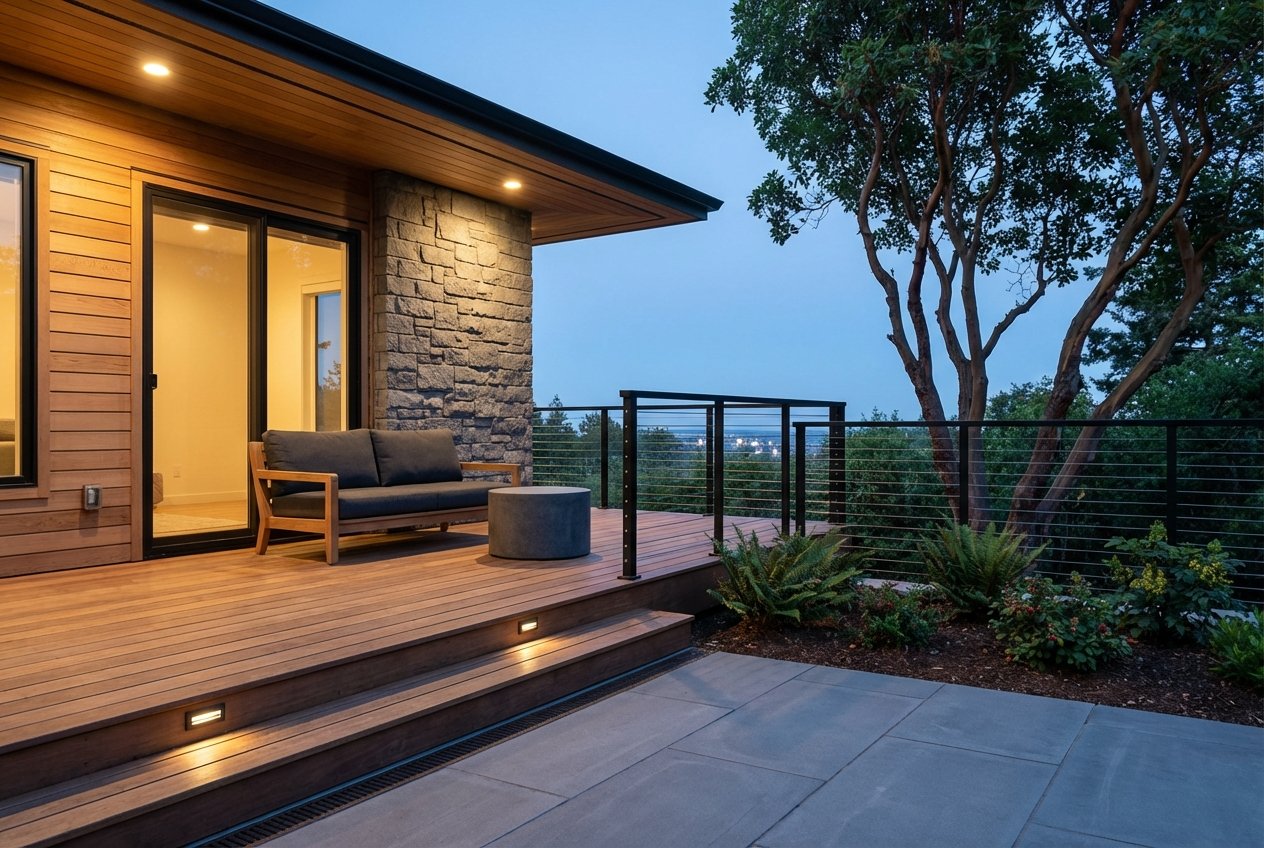
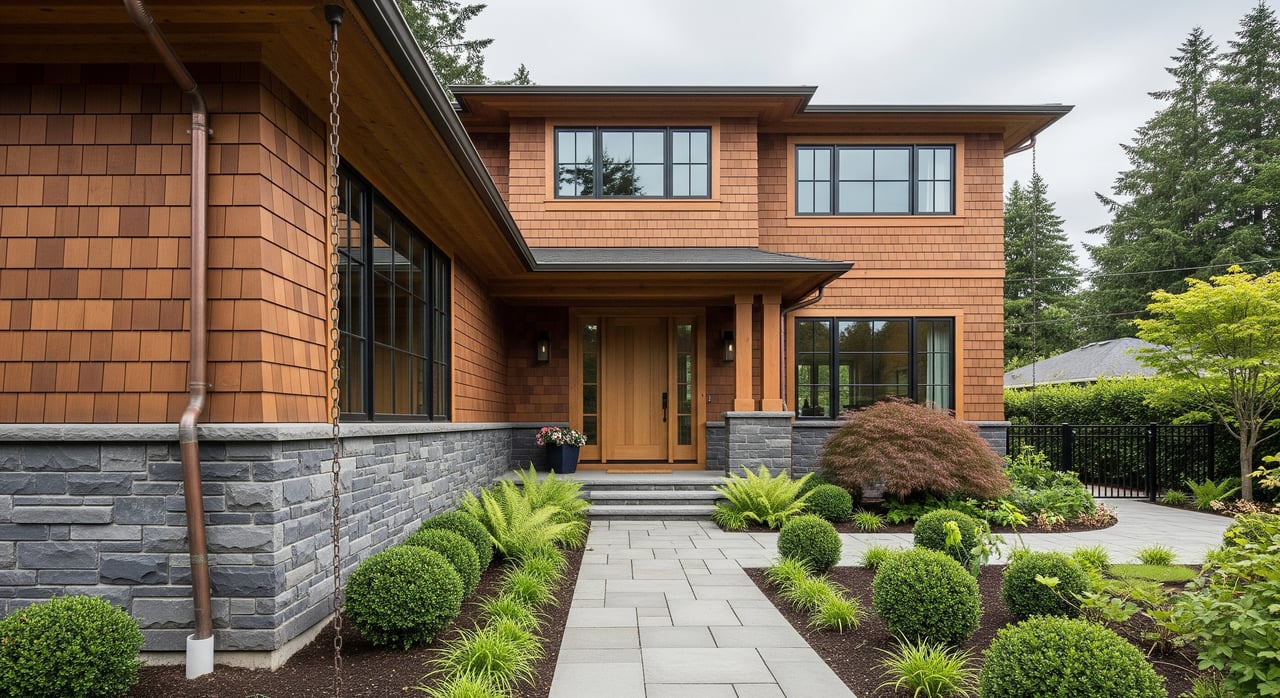
- Clean and repair: pressure wash carefully, caulk and touch up in-kind, refresh gutters, and ensure walkways and steps are safe and tidy.
- Landscape with restraint: prune, edge, mulch, and add seasonal color in planters; keep sightlines to the façade open.
- Lighting and hardware: choose small-scale, surface-mounted fixtures and simple, compatible hardware that read as enhancements, not replacements.
These choices help you present a crisp, move-in-ready impression without triggering lengthy review.
When to bring in pros
If you are considering window, porch, or façade changes on a street-facing elevation, engage a professional early. A local architect or preservation consultant can produce the drawings and narrative that align with district character and streamline staff review. For complex projects, a pre-application conference or Design Advice Request can reduce late-stage revisions and speed overall timelines.
Final thoughts
You can refresh curb appeal in Northwest Portland’s historic areas without jeopardizing your timeline when you verify status early, prioritize in-kind maintenance, and reserve extra lead time for visible alterations. Lean on objective standards where possible, and build conservative buffers when a discretionary review is likely. With careful planning, your exterior can look market-ready while permits stay on schedule.
If you want a coordinated plan that balances curb appeal with compliance and timing, we can help you sequence improvements and prepare for market with polished staging, photography, and neighborhood storytelling. Schedule your concierge consultation with Unknown Company.
FAQs
What quick exterior fixes work in NW Portland historic areas?
- Routine in-kind repairs, careful landscaping, small compliant fences, small-scale lighting, and paint updates are often quick, but confirm specifics with the city first.
Do I need approval to repaint in the Alphabet Historic District?
- Repainting is often treated as maintenance, but if your property is locally designated, confirm with historic resources staff before you change colors.
Why are street-facing window replacements often reviewed?
- Windows strongly shape a home’s historic character; changes in size, material, or pattern on visible elevations commonly trigger Historic Resource Review.
How long does Historic Resource Review take in Portland?
- Type II reviews commonly take 2 to 3 months, and Type III with hearings typically takes 3 to 6 or more months, plus time for building permit review afterward.
What are Community Design Standards and how do they help?
- CDS are objective rules that, when met, often let you avoid discretionary design review, speeding permit timelines for compatible fences, additions, and site work.
How can I confirm if my home is in the Alphabet Historic District?
- Check the city’s historic resource maps or contact the Bureau of Development Services to verify local designation and understand which rules apply.