Thinking about listing your Lake Oswego home this year? If so, you already know buyers here expect well cared-for homes, inviting outdoor spaces, and polished presentation. With the right plan, you can protect your value, reduce risk, and go live with confidence. This guide gives you a clear timeline, the key decisions that matter in Lake Oswego, and how concierge-level preparation can streamline every step. Let’s dive in.
Lake Oswego prep priorities
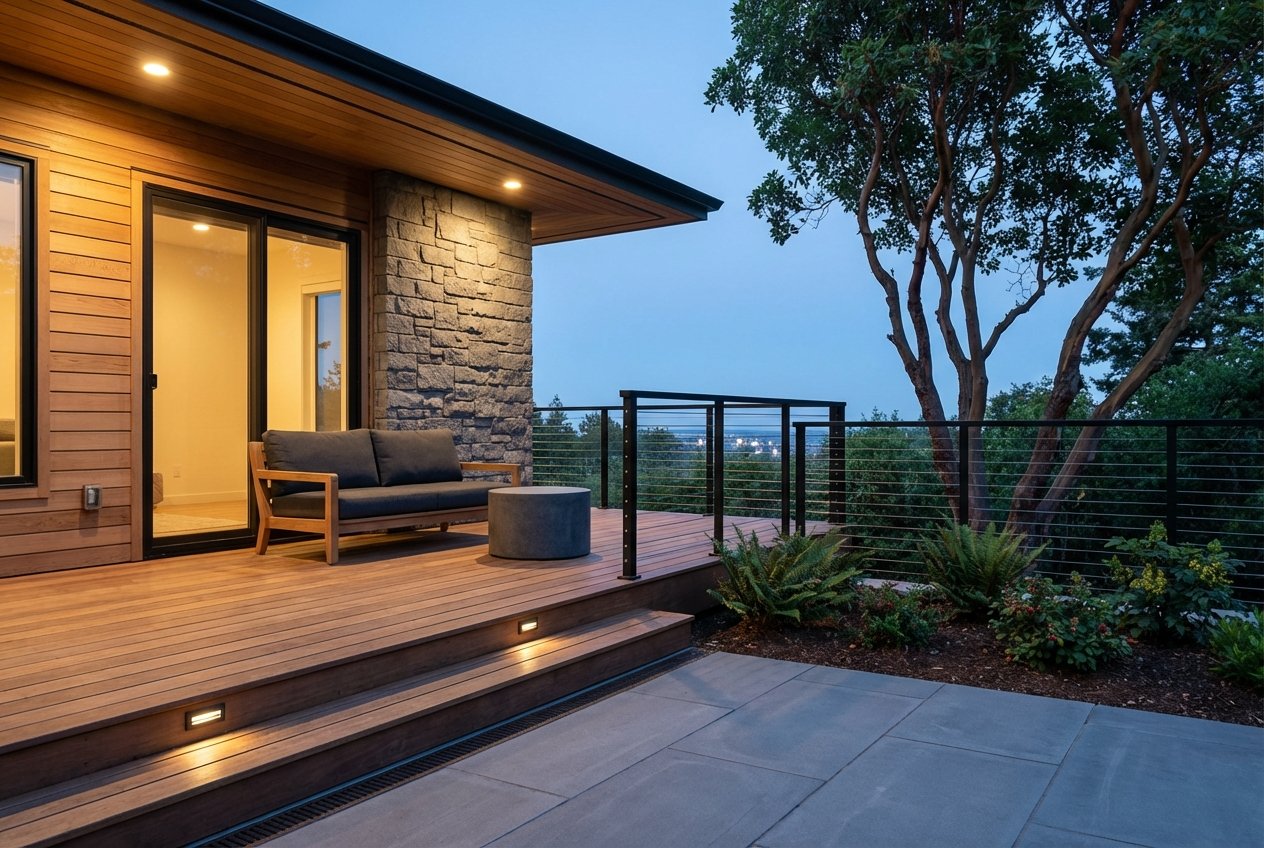
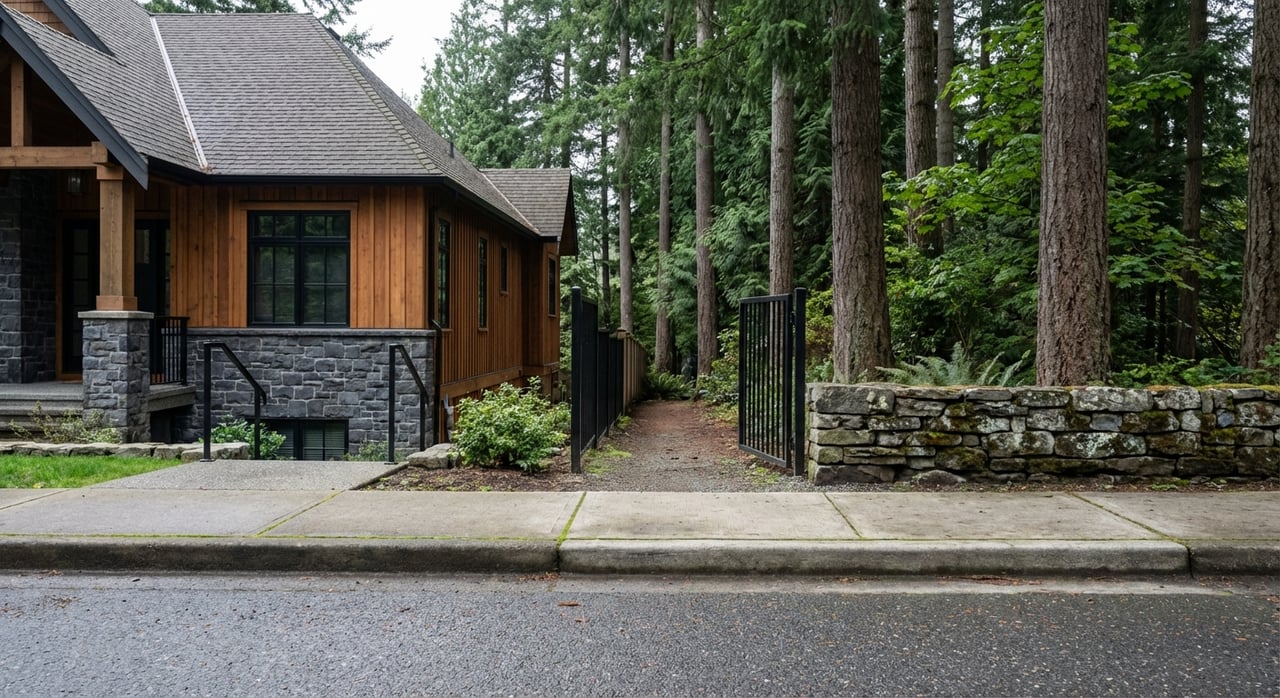
Lake Oswego attracts buyers who value neighborhood character, lake access, parks, and quality finishes. That means your home should feel thoughtfully maintained and move-in ready. Focus early on safety and systems, then elevate curb appeal, indoor-outdoor flow, and neutral design that appeals broadly.
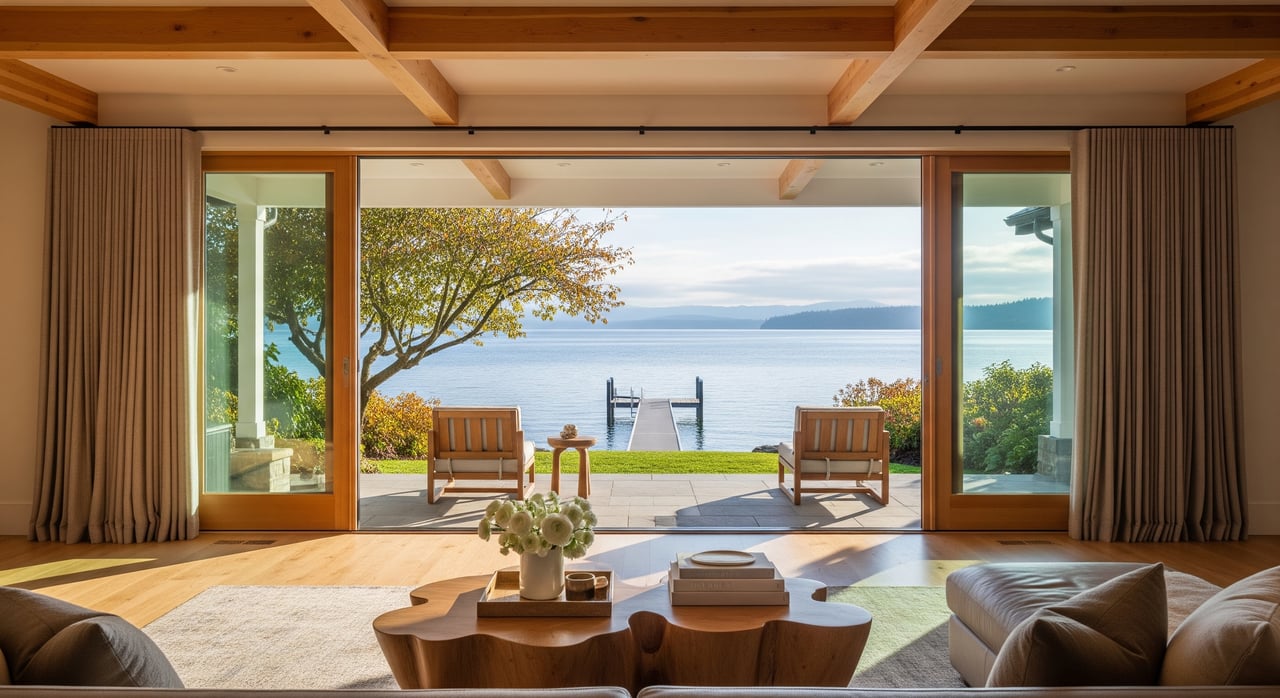
If your property is waterfront or has lake views, you may need specialized marketing like drone footage, twilight photography, and clear descriptions of water access. These homes often raise additional questions about shoreline rules and dock details, so plan to gather documentation early.
Your 6–12 month action plan
6–12 months before listing
- Interview and select a Lake Oswego listing agent who can coordinate contractors, staging, and photography.
- Order a pre-listing home inspection. If your home is older or has known issues, add a sewer lateral scope.
- Verify permit history for any past renovations and start new permit applications if needed.
- If inspections point to roof, foundation, HVAC, electrical, plumbing, or septic work, get bids and schedule repairs. Build in time for permit review and inspections.
- Establish a budget for repairs, landscaping, staging, and marketing assets.
3–6 months before listing
- Complete major repairs and address deferred maintenance.
- Service key systems that affect buyer confidence, such as HVAC and water heater checks, and take care of roof repairs.
- Consider cost-effective energy improvements, like insulation or a smart thermostat, if they align with your price bracket.
- Begin decluttering, depersonalizing, and packing items you will not need until after the move.
- Refresh landscaping in a seasonally appropriate way to boost curb appeal.
4–8 weeks before listing
- Paint in neutral colors and handle drywall touch-ups to create a cohesive, fresh look.
- Refresh kitchens and baths with new hardware, lighting, grout, and caulking rather than full remodels, unless your comps show a larger update is warranted.
- Hire a professional stager or follow a stager’s plan. Target key rooms if you want a focused approach.
- Schedule deep cleaning, professional window washing, and pressure washing for exterior surfaces.
- Finalize seller disclosures and assemble supporting documents, including any HOA information.
1–2 weeks before listing
- Book professional photography, including floor plans and a 3-D tour. For view or waterfront homes, consider drone and twilight shots.
- Have your stager complete a final walkthrough and styling session.
- Create a show-ready checklist for daily use, including lights, temperature, valuables, and pet plans.
- Confirm pricing and strategy with your agent using the freshest comparable sales and days-on-market trends.
Quick-to-market approach
If you need to list within 30 days, prioritize staging, decluttering, cleaning, minor repairs, and accurate pricing. Disclose any major known issues up front to maintain buyer confidence.
Value-protecting inspections and repairs
A pre-listing inspection helps you identify items that often derail negotiations. Common focus areas include roof, foundation, HVAC, plumbing, electrical, windows and doors, drainage, moisture, and signs of pests. For older neighborhoods, a sewer lateral scope is a smart check that can prevent costly surprises.
Prioritize safety and system reliability first. Address faulty electrical, gas or plumbing leaks, structural concerns, and high radon if found. Replace or service aging systems that could spook buyers, such as unreliable HVAC, nearing-end-of-life water heaters, or active roof leaks. Then, elevate the items that shape first impressions like worn flooring, dated baths, and curb appeal.
Keep documentation for everything you repair or upgrade. Buyers respond well to clear records that show a home has been maintained with care and permits were handled properly.
Permits, disclosures, and required documents
Lake Oswego spans primarily Clackamas County, with a small portion in Multnomah County. Many projects such as roof replacement, structural changes, electrical, plumbing, and some decks require permits through the City of Lake Oswego and the applicable county. Confirm permit status for past work and resolve any open items before you list, since unpermitted work can delay or derail closing.
Oregon requires standardized property condition disclosures. If your home was built before 1978, you must also provide federal lead-based paint disclosures. If your property belongs to an HOA, gather Covenants, Conditions and Restrictions, dues information, and any required resale documents.
Most homes connect to municipal sewer, but some older or outlying parcels may have septic systems. If you have septic, plan for system verification or inspection. Organize all records now so your disclosure packet is complete and easy for buyers to review.
Staging and photography that fit the market
In Lake Oswego, neutral, design-forward staging can shorten time on market and support stronger offers. Industry reports consistently show staging helps homes sell faster, though results vary by market and quality. Emphasize outdoor living, indoor-outdoor flow, flexible family spaces, and calm, uncluttered rooms.
Invest in professional photography and a floor plan at minimum. For waterfront or view properties, add drone and twilight images and a 3-D tour to drive online interest and higher quality showings. Ensure any drone work is performed by an FAA-compliant operator and follow local rules, including shoreline considerations.
Pricing strategy for today’s conditions
Price with a local comparative market analysis that accounts for neighborhood, square footage, lot characteristics, condition, and amenities. Waterfront and lake-view properties require especially tight, region-specific comps. Consider current inventory and trajectory. Lower inventory often favors sellers, while rising inventory suggests a more conservative approach.
Thoughtful preparation can reduce concessions after buyer inspections. Completing key repairs and providing clear documentation helps set expectations and keep negotiations focused on value.
Showings game plan
Set up a simple routine so each showing feels consistent and welcoming.
- Lights on, blinds adjusted for views and privacy.
- Thermostat set for comfort.
- Stow personal items and secure valuables.
- Pet plan in place, with clear showing instructions.
- Soft music or water features at a low volume if appropriate.
- Printed or digital packets ready, including photos, floor plan, key disclosures, and neighborhood highlights.
Waterfront and view home specifics
If you are selling a waterfront property, gather documents that buyers commonly request. These can include information about riparian setbacks, private dock details, shoreline maintenance responsibilities, boat or lift information, and any flood-related considerations. Organize permits and maintenance records so buyers can review them without delay.
What concierge-level preparation looks like
A concierge approach brings every piece together so you can go to market at peak presentation with less stress. Here is what a coordinated package often includes:
- Agent consultation and a data-driven CMA tailored to your micro-market.
- Pre-listing inspection and sewer scope, followed by prioritized repair plans.
- Permit verification and contractor coordination for roof, foundation, and major systems.
- Project scheduling and oversight to keep timelines on track.
- Interior refreshes such as painting, flooring care, and targeted kitchen or bath updates.
- Landscaping and curb appeal improvements that photograph well.
- Professional staging, including rental coordination and installation.
- Editorial-quality photography, drone and twilight options, a 3-D tour, and a measured floor plan.
- Organized disclosure packet with permits, warranties, inspection reports, and HOA documents.
- Showing logistics, from lockbox setup to clear instructions that protect your home and time.
- Title and escrow coordination so your closing stays on schedule.
Timing your launch
If you aim for a specific selling season, reverse-engineer your schedule now. Major repairs and permits can take months, while cosmetic work and staging usually take weeks. Build in buffer time for photography, final styling, and assembling disclosures so you can seize the best window for your property.
Ready to plan your sale?
If you want a hands-on, detail-forward team to coordinate inspections, permits, staging, and editorial marketing, we are here to help. Schedule a conversation to map your timeline and budget, then move into the market with confidence. Reach out to Spurlock & Williams Real Estate to get started.
FAQs
How long does it take to prepare a Lake Oswego home to sell?
- Major repairs and permits often require several months, while cosmetic updates and staging typically take a few weeks.
Should I get a pre-listing inspection before selling in Lake Oswego?
- Yes, a seller inspection surfaces issues early, informs repair choices, and helps prevent surprises during buyer negotiations.
Which repairs protect the most value before listing?
- Address safety and systems first, such as electrical, plumbing, roof, HVAC, and sewer; then tackle high-impact cosmetics like flooring, baths, kitchens, and curb appeal.
What permits and disclosures do Oregon sellers need?
- Many structural, roofing, electrical, and plumbing projects require city or county permits, and Oregon law requires standardized property condition disclosures, plus lead-paint disclosure for pre-1978 homes.
Does staging really matter in Lake Oswego?
- Yes, staging and professional photography are especially impactful for higher-end and waterfront homes, often reducing days on market and supporting stronger offers.
How should I price a waterfront or lake-view home?
- Use a local CMA with tightly matched, region-specific comps that account for view, access, lot, and condition, then align pricing with current inventory and demand.