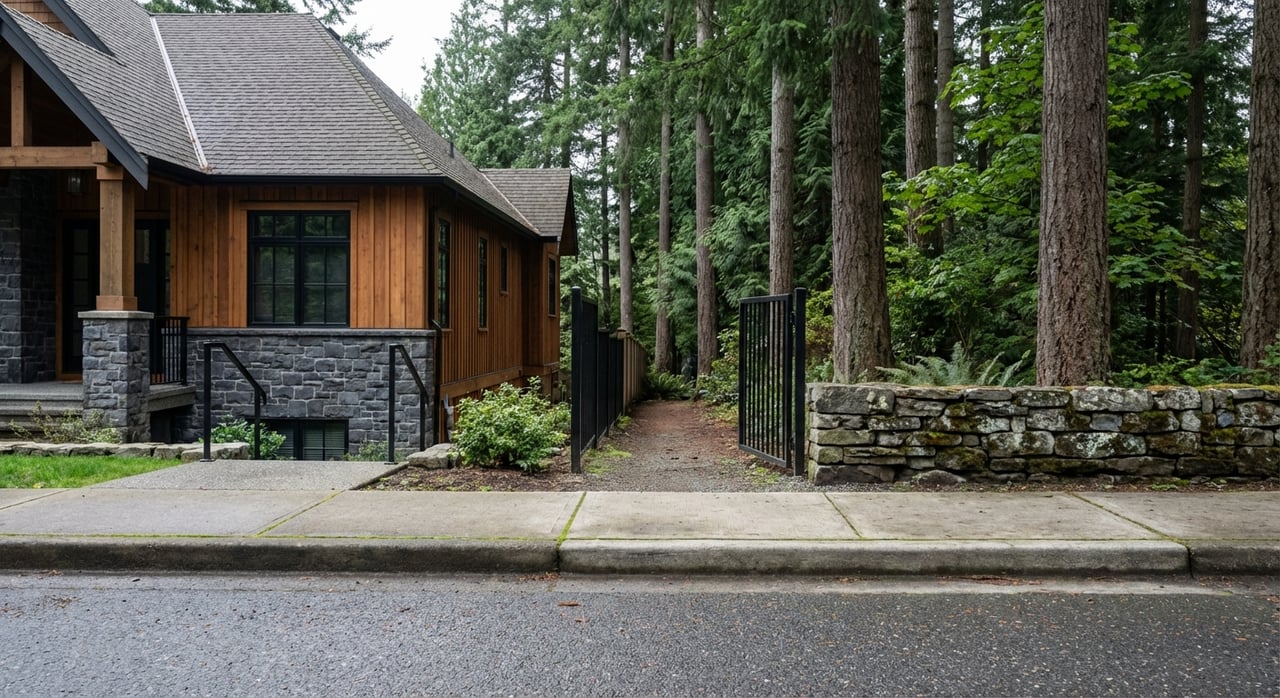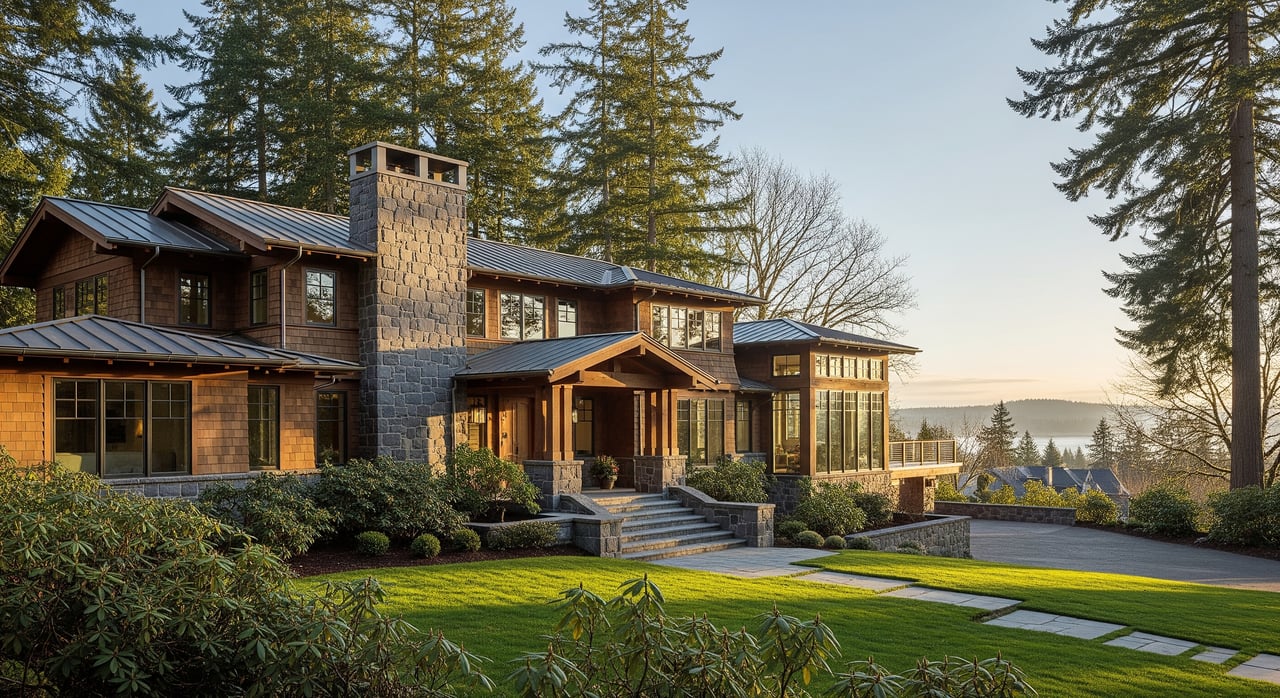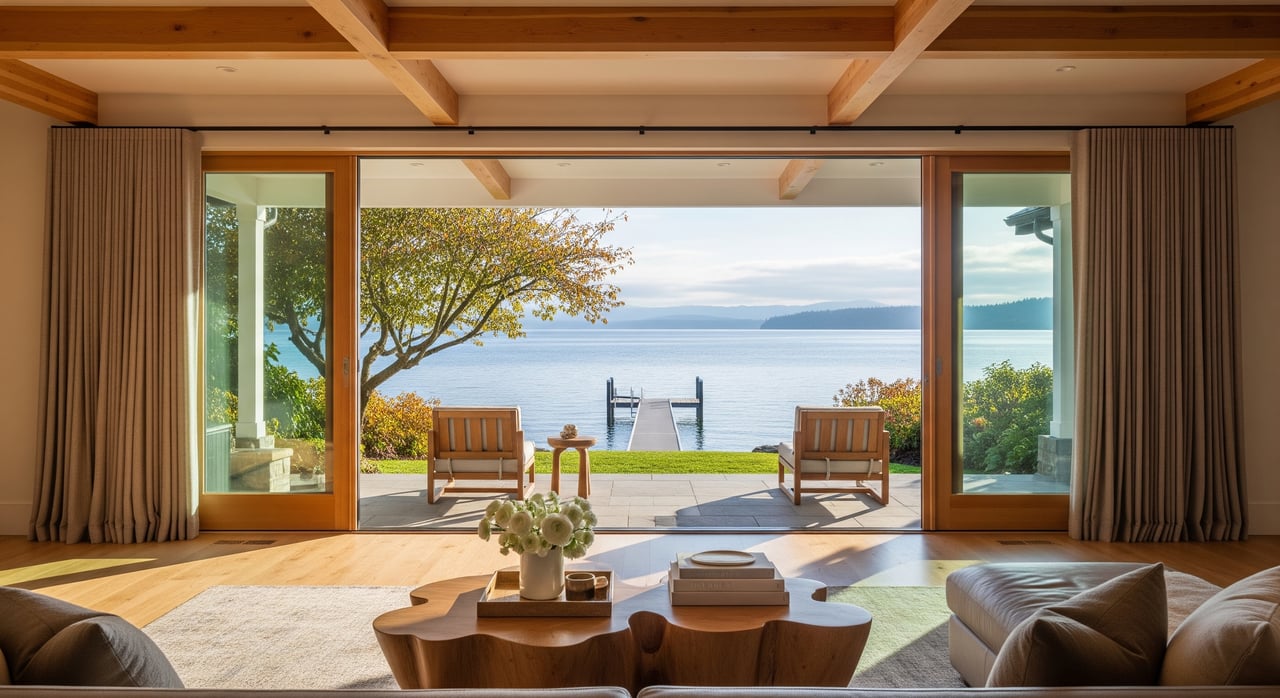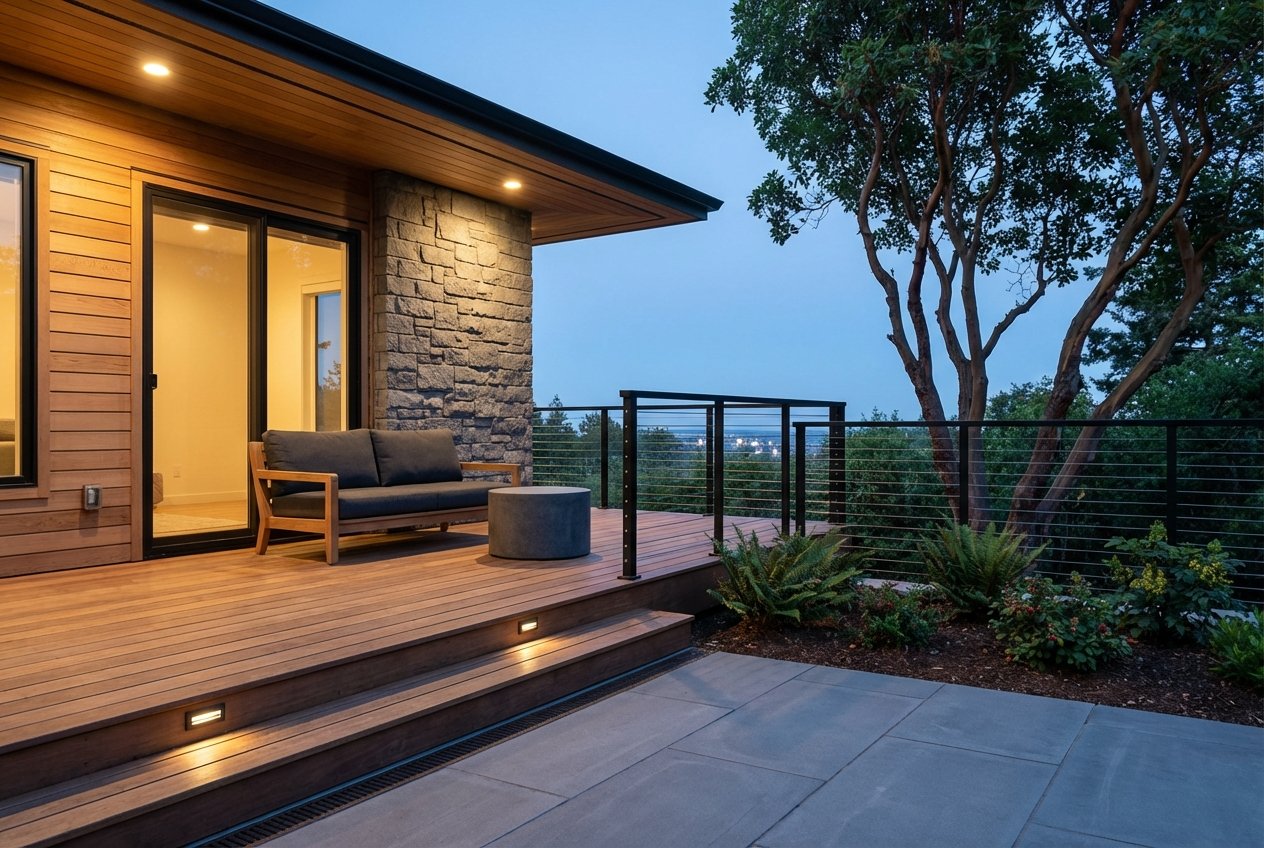
You bought in West Hills for the view. Now the question is how to turn a sloped lot into outdoor spaces that feel effortless year-round while preserving the panorama you love. You want a design that stays beautiful through wet winters, handles drainage the right way, and passes muster with the City. This guide outlines how to plan decks, terraces, planting, lighting, and approvals so you enjoy the lifestyle today and protect resale tomorrow. Let’s dive in.
Know your site and rules early
Start with city resources
Before sketching a deck or terrace, confirm you’re within the City of Corvallis and scan the neighborhood context. The City’s West Hills neighborhood page offers helpful local orientation. Then review the Corvallis Land Development Code for setbacks, hillside overlays, and natural features that may influence your plan. These early checks help you shape a design that fits your lot and avoids surprises during review.
Permits that often apply
In Corvallis, many common outdoor projects need permits. The City lists building permit requirements for decks, and decks over roughly 30 inches above grade typically trigger a permit. Retaining walls, substantial grading, and accessory structures can also require plan review. On any project with soil disturbance, expect to follow the City’s Erosion Prevention & Sediment Control program.
Slopes, landslides, and geotech input
West Hills parcels often include slopes or ravines. Check state and city maps for slope stability and historic slides using the Statewide Landslide Information Database (SLIDO). If your concept touches a steep area or proposes cuts and walls, plan for geotechnical review. When you add features like rain gardens or soakage trenches on a slope, follow OSU’s stormwater green infrastructure guidance, which recommends conservative setbacks from steep down-slope faces.
Design decks and terraces for views and weather
Place for panorama and comfort
On a hillside, layout is everything. A primary deck near the kitchen can frame your signature view, while a lower terrace can capture a warmer or more sheltered microclimate. Keep taller plantings and privacy elements to side yards and perimeters so they frame rather than block sightlines. Orient built-in seating to face the valley or city lights and leave view corridors open where they matter most.
Materials that last in wet winters
Outdoor surfaces in Corvallis face months of moisture followed by a dry summer. Choose finishes that handle both with grace. High-quality capped composite boards offer low maintenance and strong durability, with industry sources citing long service lives for premium products. If you prefer the look of cedar or hardwoods, budget for regular refinishing. For a deeper look at maintenance tradeoffs, review typical composite decking lifespans.
Railings that protect sightlines
Any walking surface more than about 30 inches above grade typically requires a guard. Plan for railings that meet height and load requirements and still preserve the view. Thin-profile cable systems and frameless or minimally framed glass are popular choices on view lots. Confirm your design with Corvallis Development Services so it meets local code before you order materials or start fabrication.
Fire-smart deck detailing
Hillside settings can benefit from fire-conscious design. Favor ignition-resistant decking, keep the underside of open decks clear of debris, avoid combustible mulch directly under or beside deck edges, and screen openings to reduce ember intrusion. Pair those details with regular maintenance like clean gutters and pruned plantings to keep the immediate area tidy and low risk.
Plant with purpose on hillside lots
Frame the view with layers
Use plants to pull the eye to the horizon without creating a hedge that steals the scene. Low, layered beds at the view edge provide texture while keeping the skyline open. For privacy, try narrow, columnar forms along side yards or behind primary sightlines. Place taller specimen trees well back so they act as a picture frame rather than a curtain.
Natives for beauty and low upkeep
Choose plants that handle wet winters and summer dryness with minimal fuss. OSU Extension highlights natives and regionally adapted choices that thrive in the Willamette Valley, including sedums and stonecrops, bunchgrasses and Carex species, Oregon iris and camas, plus vine maple or serviceberry for seasonal interest. Use OSU’s regional recommendations to build a resilient palette and right-size irrigation zones. Start with OSU’s Fire-resistant Plants guide for species ideas that also consider fire behavior.
Slope stability and smart stormwater
On steeper lots, plant roots do real work. Establish deep-rooted groundcovers and shrubs on banks to knit soils together and slow runoff. Terraced beds can break long slopes into stable platforms and reduce erosion. If you want to add infiltration features, follow OSU’s stormwater green infrastructure guidance and avoid placing soakage uphill of steep, slide-prone faces without professional input.
Fire-wise layout that fits your site
Use the Home Ignition Zone concepts to guide placement. Keep the first 0 to 5 feet lean and clean, use lower-fuel, well-spaced plants in the 5 to 30 foot intermediate zone, and thin or limb-up farther out. On slopes, increase spacing because fire travels faster uphill. OSU’s Fire-resistant Plants guide also covers ongoing maintenance, which is just as important as species selection.
Lighting, comfort, and year-round use
Dark-sky friendly lighting
Protect the night view for you and your neighbors. Corvallis encourages shielded, full-cutoff fixtures that minimize glare and light spill. Favor warm color temperatures around 2700 to 3000K, lower mounting heights, and timers or motion sensors so areas are only lit when needed. For fixture guidance and standards, review the Corvallis exterior light fixture guidelines.
Amenities buyers love
Thoughtful amenities make outdoor living effortless. Consider multi-level terraces that separate morning-sun and evening-sun zones, integrated benches and planters that stop short of railing height, and a compact outdoor kitchen placed to support entertaining without blocking views. Add weather-ready lighting and heat so you use the space beyond summer. For electrical work or gas lines, plan permits and licensed trades early so installation stays on schedule.
Protect your investment and resale
The right outdoor design supports both daily life and long-term value. Academic literature shows that high-quality scenic views can add a measurable premium to sale prices, though the exact figure depends on view type and local market. For context, see established research on the value of scenic views. When you build or update, document permits, any geotechnical recommendations, materials, and maintenance routines. Buyers respond to spaces that look great and come with clear, well-kept records.
A quick West Hills checklist
- Confirm location and context using the City’s West Hills neighborhood page, then review the Corvallis Land Development Code for hillside and natural-feature rules.
- Call Development Services to verify building permit requirements for decks, retaining walls, and grading. If you plan earthwork, budget time for the City’s Erosion Prevention & Sediment Control program.
- Check slope stability with the Statewide Landslide Information Database (SLIDO). If your project affects a slope, expect geotechnical input.
- Map drainage early. On steeper sites, avoid placing infiltration uphill of steep faces and follow OSU’s stormwater green infrastructure guidance.
- Choose materials that match the climate and maintenance you want. For low-upkeep decks, review typical composite decking lifespans.
- Use fire-wise plantings and maintenance from OSU’s Fire-resistant Plants guide. Keep the 0 to 5 foot zone clear and tidy.
- Select shielded fixtures and warm color temperatures per the Corvallis exterior light fixture guidelines.
Ready to create an outdoor plan that enhances your West Hills lifestyle and strengthens your home’s market story? Our team pairs design-forward insight with careful guidance on timing, preparation, and presentation so you can invest with confidence. For tailored advice and a strategy that supports future resale, reach out to Spurlock & Williams Real Estate.
FAQs
What permits do I need for a new deck in West Hills, Corvallis?
- In Corvallis, decks over roughly 30 inches above grade typically require a building permit, and projects with earth disturbance may need erosion control measures; confirm details with Development Services and review the City’s building permit requirements for decks.
How should I manage drainage on a steep hillside lot?
- Plan drainage with your design from the start, avoid placing infiltration uphill of steep down-slope faces, and follow OSU’s stormwater green infrastructure guidance; engage a geotechnical engineer if your project alters slopes.
What plants are low maintenance and view-friendly in Corvallis?
- OSU Extension recommends regionally adapted choices like sedums, Carex species, Oregon iris, camas, and select native shrubs; use spacing and maintenance from OSU’s Fire-resistant Plants guide to keep views open and risk low.
Are glass or cable railings allowed on elevated decks in Corvallis?
- View-friendly railings such as glass or cable are commonly used when they meet height and load requirements; verify specifics with Development Services during design and align with the City’s building permit requirements for decks.
How can I protect night views with outdoor lighting?
- Choose fully shielded fixtures, warm color temperatures, and smart controls per the Corvallis exterior light fixture guidelines to reduce glare and light spill.
Do panoramic views really help resale value?
- Yes, studies show scenic views can add a measurable premium, though the amount varies by market and view quality; see this overview of research on the value of scenic views and consult local sales data for current Corvallis specifics.