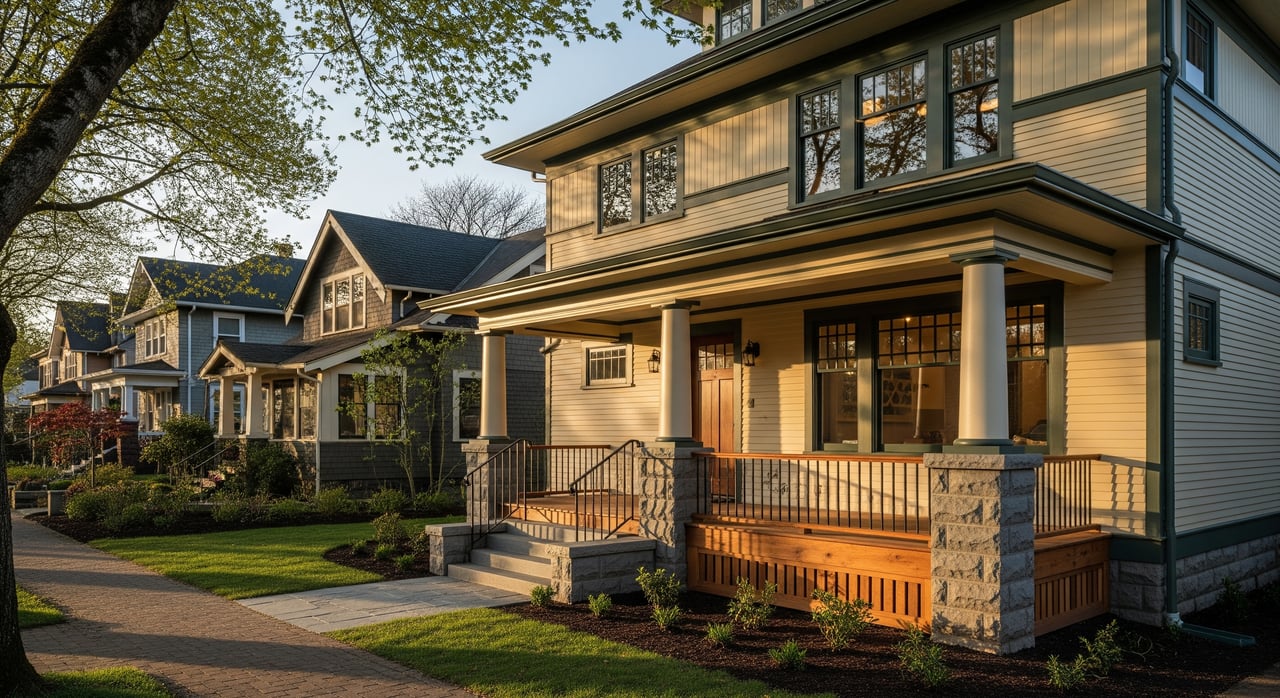
Thinking about remodeling your Irvington historic home but unsure where to start? You are not alone. Between permits, preservation rules, and hidden conditions in older houses, the process can feel complex. This guide breaks the project into clear steps so you can modernize with confidence while protecting the features that make your home special. Let’s dive in.
Know your historic status
Before you sketch a floor plan, confirm exactly how your property is designated. Portions of Irvington are listed on the National Register and may also have local historic district or overlay protections. The level of designation affects what approvals you may need and how exterior changes are reviewed.
How designation affects approvals
Local landmark or district status usually triggers the strictest review for exterior changes visible from the street. National Register listing signals significance but does not by itself regulate private owners. Always verify your specific property status with Portland’s Bureau of Development Services and the city’s Historic Resources program so you understand which standards and reviews apply.
Exterior vs. interior
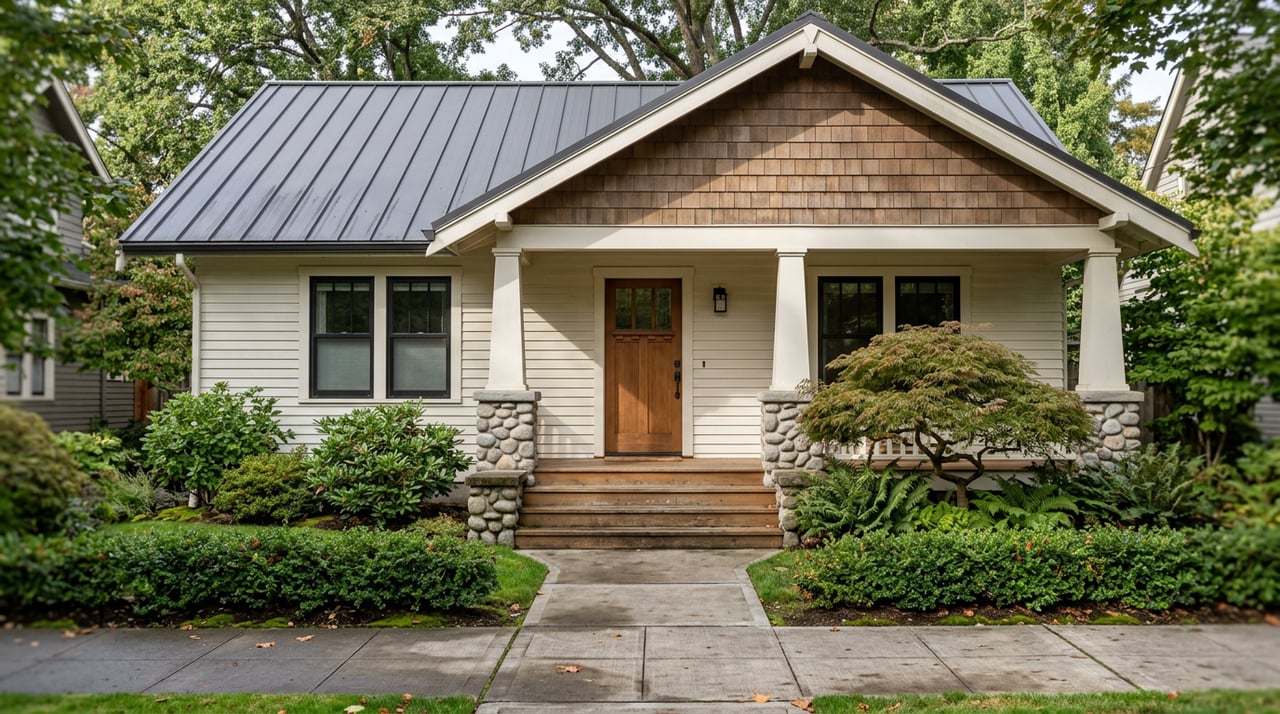
Exterior work that can be seen from the public right of way often requires historic review. That includes siding replacement, porch alterations, new windows, and additions. Interior changes are typically less regulated, but permits still apply for structural, electrical, plumbing, and mechanical work.
Step-by-step Irvington remodel plan
Step 1: Research and documentation
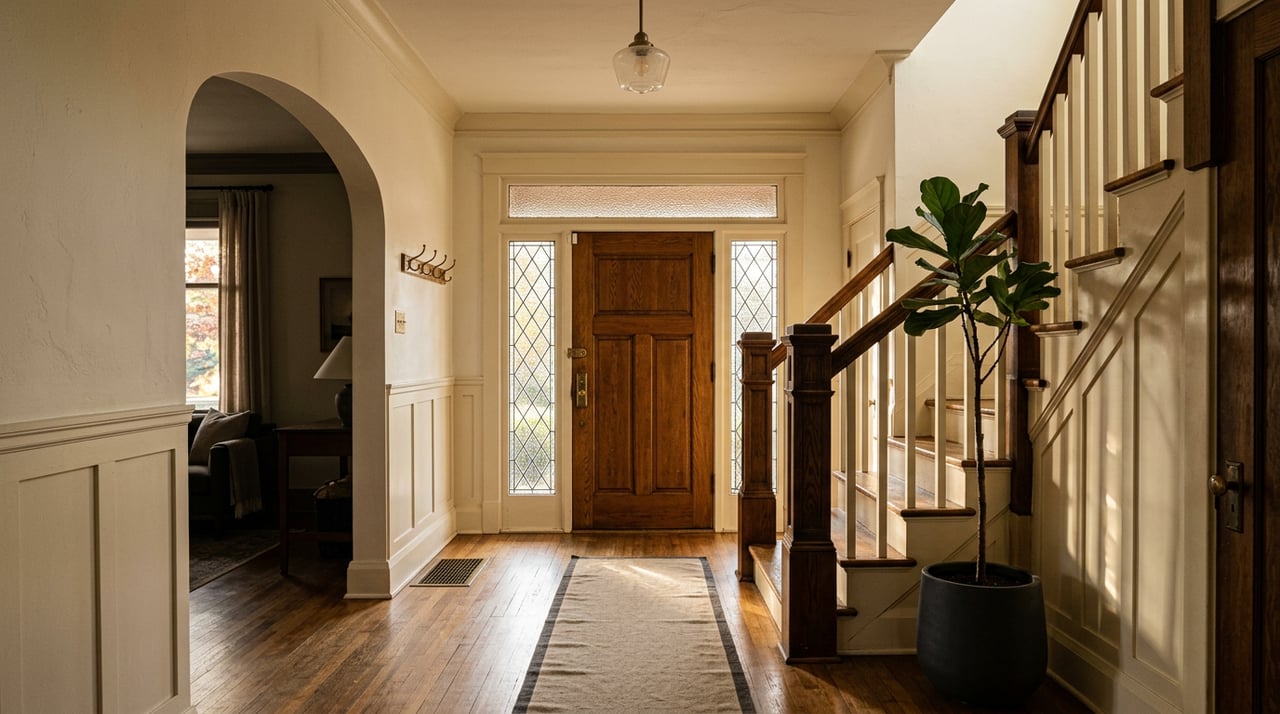
Start with a paper trail. Pull previous permits, any existing drawings, and an architectural description of character-defining features such as porches, wood siding, windows, and interior millwork. Photograph current conditions inside and out. Confirm all historic overlays and designations with Portland BDS, the Bureau of Planning and Sustainability, and the Oregon State Historic Preservation Office.
Step 2: Condition assessment and feasibility
Hire professionals who know historic homes. A preservation-minded architect or designer and a structural engineer can evaluate the foundation, framing, roof, envelope, windows, and systems. Ask them to identify which elements are character-defining and should be preserved or replicated. Build a prioritized scope that balances preservation, code upgrades, and your lifestyle goals.
Step 3: Concept design and early review
Develop a concept that respects the home’s character while solving your needs. Use the Secretary of the Interior’s Standards for Rehabilitation as a north star, along with Portland’s local historic guidelines. Schedule an early conversation with city historic staff to surface potential issues before you submit. Clarify whether your project will need Historic Resource Review, design review, or only standard permits.
Step 4: Budgeting and financing
Historic homes often hide surprises. Build a realistic budget with a contingency for concealed conditions. Include line items for code upgrades, seismic improvements, and potential lead or asbestos handling. Explore incentives and rebates that could apply to preservation-friendly work or energy upgrades, and confirm renovation loan options with your lender.
Step 5: Permitting and approvals
Submit applications to Portland BDS for building, mechanical, electrical, and plumbing. If any exterior change is visible from the street, anticipate a higher likelihood of historic review. Plan for lead-safe practices and asbestos rules where applicable, which can require notifications or certified contractors.
Step 6: Contractor selection and contracting
Choose licensed, insured contractors with Oregon CCB credentials and specific historic experience. Ask for project photos, references, and examples of in-kind repairs to wood siding, historic window restoration, and successful navigation of historic review. Build preservation standards into the contract, including matching profiles, materials, and documentation of any replacements.
Step 7: Construction with conservation in mind
Aim for reversible interventions and keep character-defining features intact. Repair first whenever feasible, especially for original windows and millwork. Use lead-safe work practices and proper containment if disturbing painted surfaces. Document progress with before-and-after photos for your records and any potential incentives.
Step 8: Final inspection and closeout
Arrange final inspections with BDS and secure approvals. Compile a maintenance plan and a list of preserved and replaced features for future stewardship and disclosure. Good documentation supports resale value and helps the next owner continue appropriate care.
Smart upgrades that respect history
Energy efficiency
Preservation and performance can go hand in hand. Focus on low-impact improvements like attic and basement insulation, air sealing, weatherstripping, and HVAC upgrades. For windows, prioritize repair and consider interior storm windows for comfort and efficiency with minimal exterior change. If replacement is needed, use profiles and materials that match the historic appearance.
Seismic and structural safety
Older Irvington homes may need seismic improvements such as foundation bolting or bracing. A structural engineer familiar with historic framing can propose methods that add safety without removing significant historic fabric. Keep interventions as unobtrusive as possible.
Materials and craftsmanship
Use in-kind materials and traditional methods where the preservation value is high. When using modern products, select profiles and finishes that are compatible with the home’s historic character. Reuse existing materials when safe and practical.
Common regulatory touchpoints
- Portland Bureau of Development Services handles building, mechanical, electrical, and plumbing permits.
- Portland Historic Resources staff and the Historic Landmarks Commission may administer historic and design review.
- Oregon SHPO can advise on National Register status and potential incentives.
- Modern codes apply. Some historic properties may qualify for alternate compliance methods; confirm with BDS.
Avoid these costly pitfalls
- Starting exterior work without confirming historic review requirements. This can lead to corrections or enforcement.
- Underestimating hidden conditions like rot or outdated wiring. Build a 10 to 20 percent contingency.
- Hiring a general remodeler without historic expertise. Inappropriate methods can damage original materials.
- Over-modernizing character-defining elements. Replacing original windows or porches with incompatible materials can harm value.
- Skipping hazardous materials protocols. Lead and asbestos rules protect health and limit liability.
What to bring to a pre-application conversation
- A simple written scope describing exterior and interior work.
- Photographs of all sides of the house and key interior features.
- Any available drawings or sketches, even preliminary.
- A list of character-defining elements you plan to keep or replicate.
- Questions about review thresholds, timelines, and submittal requirements.
How to interview contractors for historic work
- Ask for Oregon CCB license number, insurance, and proof of lead-safe certification where applicable.
- Request examples of in-kind repairs to siding, windows, porches, and interior millwork.
- Confirm experience with Portland historic review and inspections.
- Discuss how they will document profiles, materials, and finishes for any replacements.
- Clarify site protection, containment, and cleanup plans for lead or asbestos.
Design choices that pass review and age well
- Keep street-facing elevations consistent in scale, proportion, and detailing.
- Place additions at the rear or step them back to reduce visibility from the street.
- Match siding dimensions and trim profiles where replacement is necessary.
- Use door and window configurations that align with the home’s period.
- Consider interior storms or secondary glazing solutions before exterior window replacement.
Budget planning for older homes
You will likely uncover at least one surprise once walls open up. Build contingency into both time and cost. Include funds for electrical service upgrades, HVAC modernization, and possible seismic improvements. Allocate a portion of the budget to preservation details that define the home’s character, since these often drive long-term value.
Neighborhood engagement
Irvington’s identity reflects the care its homeowners put into their houses. Connect with the Irvington Community Association early to understand neighborhood context and any informal guidance. While voluntary, that conversation can surface useful feedback that supports a smoother review and a stronger final design.
Bringing it all together
A successful Irvington remodel balances respect for original character with the comforts of modern living. When you research designation, consult the right professionals, and plan for review early, you reduce risk and protect your investment. The result is a home that feels current, functions beautifully, and still tells its story with integrity.
If you are considering a remodel as part of selling or buying, we can help you plan the sequence so your project supports value and market timing. Reach out to Spurlock & Williams Real Estate to align your renovation, budget, and listing strategy.
FAQs
Do Irvington homeowners need historic approval to replace windows?
- Often yes if the windows are visible from the street. Repair is usually preferred over replacement. Confirm the review requirement with Portland historic staff.
Are interior remodels in Irvington historic homes regulated?
- Interior work is usually less regulated, but permits still apply for structural and mechanical trades. Specific interior protections are uncommon but should be verified.
How should I budget contingency for a historic remodel in Irvington?
- Plan for at least 10 to 20 percent contingency for concealed conditions, plus line items for code upgrades, potential lead/asbestos handling, and seismic work.
What energy upgrades fit historic preservation goals in Irvington?
- Focus on attic and basement insulation, air sealing, weatherstripping, HVAC efficiency, and interior storm windows. Choose historically compatible options if replacement is necessary.
How do I choose a contractor for an Irvington historic home?
- Require an active Oregon CCB license, insurance, and references for similar historic projects. Ask for in-kind repair examples and experience with Portland historic review.
What is the first step before planning exterior changes to an Irvington home?
- Verify the property’s historic designation and confirm review thresholds with Portland BDS and the city’s Historic Resources program before finalizing design or starting work.