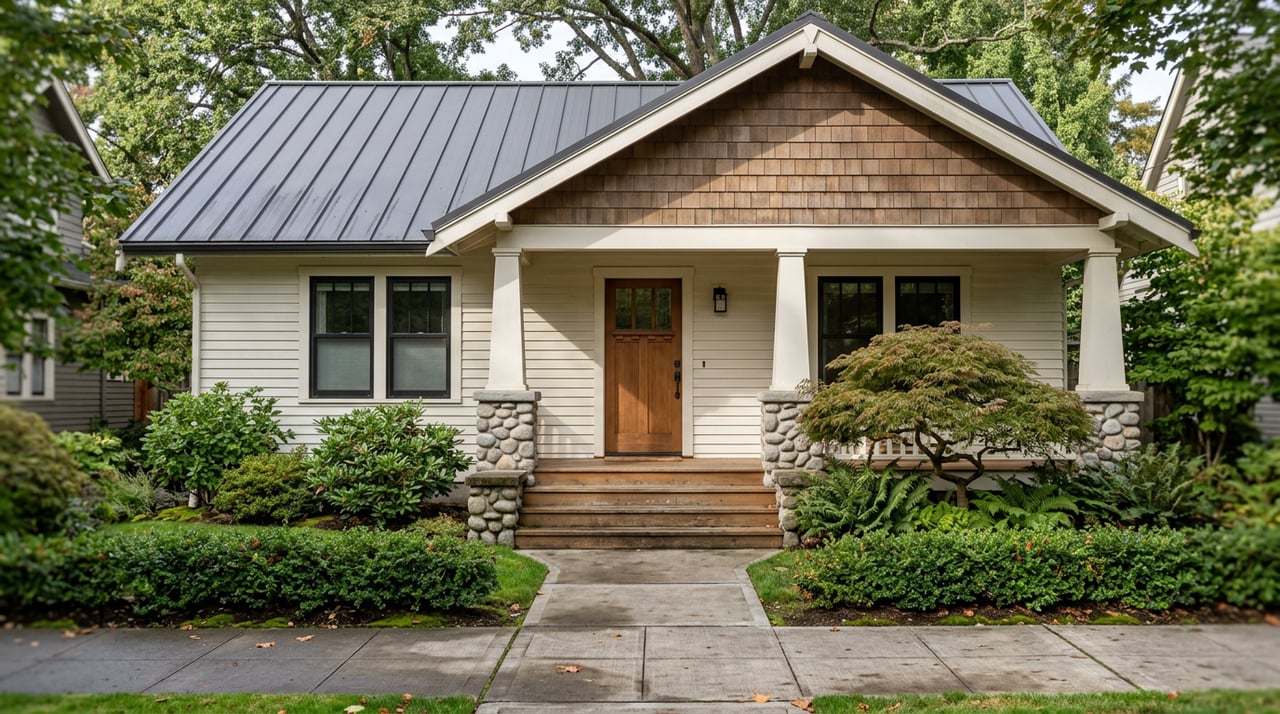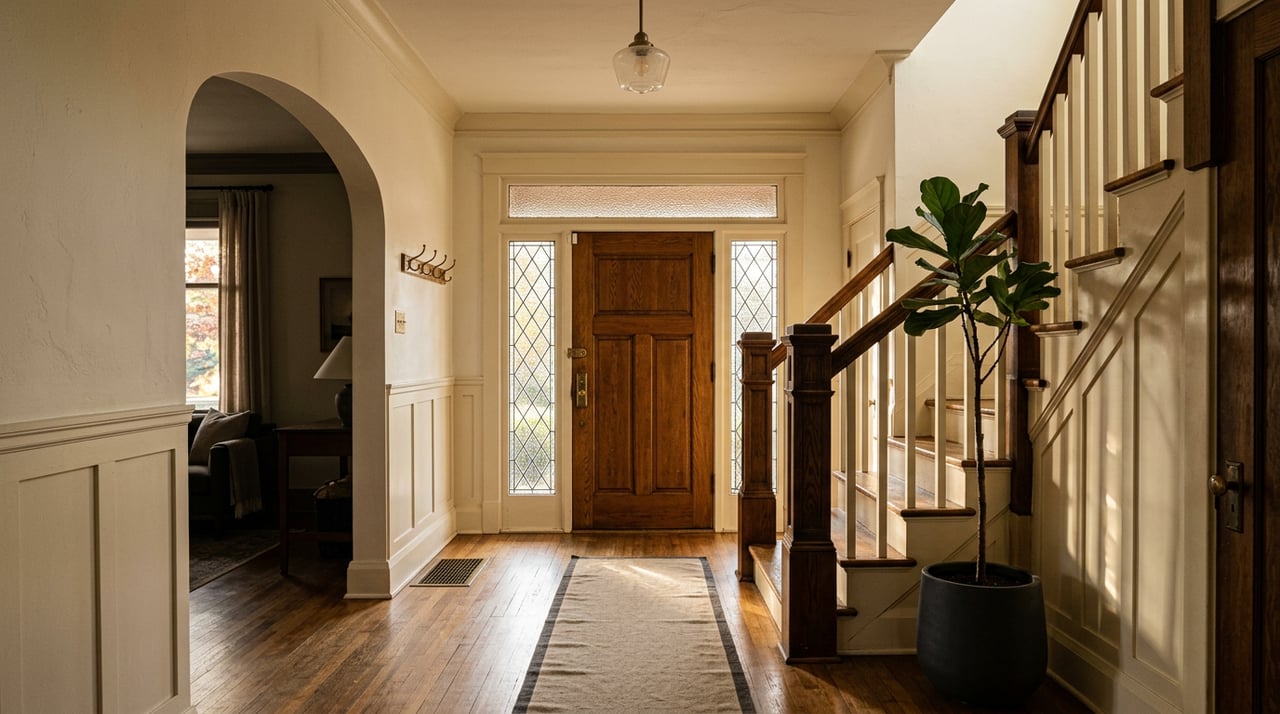
You fall in love with the tree‑lined streets, the gracious porches, and the architectural character that makes Irvington feel timeless. Then you hear about design review and special permits, and you wonder what it really takes to buy and care for a historic home here. You want a clear plan that protects your vision, budget, and timeline. This guide walks you through what “historic district” means, the due diligence to do before you write an offer, the reviews that may apply, and the common building conditions to expect. Let’s dive in.
What “historic district” means
Irvington is both a City‑designated Historic District and listed on the National Register of Historic Places. In Portland, that status means exterior changes to most contributing homes are regulated under Title 33 of the Zoning Code. Start with the City’s overview of historic districts to understand the framework and why certain features matter to review bodies. You can also consult the neighborhood association’s design review resources for helpful local context and boundary guidance.
- Learn more from the City’s overview: Historic, Conservation, and National Register Districts.
- Neighborhood guidance and contacts: Irvington Community Association design review.
Portland uses Historic Resource Review for most non‑exempt exterior alterations, additions, new construction, relocations, and demolitions that affect a landmark or a contributing resource. The rules, procedures, and approval criteria live in Chapter 33.846 of the Zoning Code and on the City’s process page. If you plan visible exterior work, expect to engage with this process.
- Approval criteria and procedures: Chapter 33.846: Historic Resource Reviews and Historic Resource Reviews process.
Contributing vs non‑contributing
Most single‑family houses in Irvington are classified as contributing, which triggers closer review for exterior changes than non‑contributing properties. You should confirm a home’s status early so you know which criteria apply. The neighborhood association offers clear explanations of how status affects projects, and City staff can help you verify a property’s listing.
- Primer on status and common misconceptions: Contributing vs non‑contributing overview.
Interior work and many routine repairs often do not require historic review. Exterior alterations visible from the street, additions, new detached structures, and demolition commonly do. When in doubt, ask the City early and document your plans.
Due diligence before offer
A little homework up front saves weeks later. Build these steps into your pre‑offer research:
- Confirm district and Historic Resource Inventory status for the property with City staff or mapping tools, and note any applicable approval criteria.
- Pull the home’s entry in the National Register nomination for a snapshot of character‑defining features. The nomination is a useful design reference later in permitting. Access the document here: Irvington National Register nomination.
- Ask the seller for prior permits, any historic review approvals, and hazardous‑materials reports. For pre‑1978 homes, federal law requires a lead‑based paint disclosure and gives you the right to a 10‑day inspection window. See the EPA lead disclosure rule.
- Line up inspections: a comprehensive home inspection plus specialists for electrical, plumbing, roofing and chimneys, moisture and rot, and structural conditions where warranted. If you plan to renovate, add lead paint testing and, where appropriate, asbestos testing before any invasive work.
Smart contingencies and timelines
Your offer should reflect the extra care historic homes require. Consider adding:
- A full inspection contingency, including hazardous‑materials testing when relevant.
- A permitting and design review contingency to confirm whether your planned exterior work will trigger Historic Resource Review and which criteria apply.
- Ample time for early conversations with Portland Permitting & Development. The process page outlines review types and thresholds: Historic Resource Reviews process.
Timelines vary by procedure. Simple administrative reviews can be relatively quick. Type II and Type III reviews include public notice and can add weeks or months, especially for complex designs or appeals. There is no single calendar, so if you anticipate exterior changes, budget several weeks for initial review and potentially longer for higher‑impact proposals. The approval criteria are detailed in Chapter 33.846.
Common Irvington home conditions
Most Irvington houses date from 1900 to 1930 and are wood‑framed. That vintage brings beauty and some predictable maintenance items:
- Porches and exterior wood: Original porches, balustrades, and trim can show rot or joint failure. Inspect foundations and joinery carefully.
- Original windows: Many homes retain single‑pane wood sash. Preservation guidance prioritizes repair over replacement, and when replacement is necessary, new windows must match historic character and patterns. See the National Park Service’s repair‑first guidance: Historic window repair principles.
- Electrical and plumbing: Expect some knob‑and‑tube wiring, two‑prong outlets, undersized panels, galvanized supply lines, or cast‑iron drains. Plan for targeted upgrades.
- Lead and asbestos: Pre‑1978 paint may contain lead, and asbestos may be present in older materials. Use EPA‑RRP certified contractors for projects that disturb paint and test before demolition.
- Foundations and seismic: Older Portland homes may have unbraced cripple walls or shallow foundations. A structural engineer can assess and design a retrofit plan. For context and approaches, review FEMA’s Portland showcase: Residential seismic retrofit examples.
- Site drainage and trees: Verify grading, gutters, and downspouts to prevent moisture intrusion, and check root impacts near foundations and sidewalks.
Plan projects the right way
If you expect to change the exterior, follow a proven path that reduces surprises:
- Confirm status and collect documentation. Gather the National Register nomination, past permits, and any prior review approvals.
- Seek early feedback. Schedule an Early Assistance meeting with the City and connect with Irvington’s Land Use or Historic Preservation Committee. Early clarity saves time later. Learn about Early Assistance here: City Early Assistance.
- Assemble an experienced team. Look for an architect or designer with historic expertise, a contractor versed in preservation and lead‑safe practices, and an engineer for structural scope. Use federal preservation standards to frame repair‑first solutions.
- Apply for Historic Resource Review if required. Provide drawings, photos, and material samples that document existing conditions and proposed work. Approval criteria emphasize preservation of character, repair over replacement, and compatibility with the district. The rules live in Chapter 33.846.
- Tie land‑use approval to permits. When you apply for building permits, include the City’s required Certificate of Compliance to show your permit set matches the land‑use decision. Access the form here: Certificate of Compliance for Design/Historic Review.
- Specify materials with care. When replacing elements like roofing, windows, or siding, write historic‑compatible products and details into contracts. NPS Technical Preservation Services offers standards and briefs to support your approach.
Local help and contacts
You are not on your own. Build a small bench of local resources before you open escrow:
- City guidance and staff: start with the Historic Resource Reviews process and Chapter 33.846 for criteria, procedures, and contacts.
- Neighborhood support: the Irvington Community Association design review page lists primers, guides, and committee emails for voluntary pre‑application feedback.
- Documentation: bookmark the Irvington National Register nomination for character‑defining features you may need to reference in applications.
Buying a historic Irvington home rewards good planning. When you confirm status early, build the right contingencies into your offer, and assemble a preservation‑savvy team, you protect both the home’s character and your long‑term enjoyment. If you would like a calm, concierge path from first tour to final permit, reach out to Spurlock & Williams Real Estate to talk strategy for your goals.
FAQs
What is Irvington’s Historic District and why does it matter?
- Irvington is a City‑designated Historic District listed on the National Register. Most visible exterior changes to contributing homes require Historic Resource Review, which can affect timelines and design choices.
How do I find out if a specific Irvington home is contributing?
- Ask City historic resources staff or check mapping tools for the home’s Historic Resource Inventory status, then confirm details with the Irvington Community Association or City staff during due diligence.
Which projects usually trigger Historic Resource Review in Irvington?
- Exterior alterations visible from the street, additions, new detached structures, relocations, and demolitions often require review. Routine interior work and many small repairs typically do not.
How long does Historic Resource Review take in Portland?
- It depends on the procedure type. Administrative reviews can be quicker, while Type II and Type III reviews with public notice or hearings can take weeks to months, especially for complex proposals.
Can I replace original windows in an Irvington home?
- Often you are encouraged to repair historic windows first. If replacement is allowed, it must match the historic sash configuration, muntin patterns, and overall visual character.
What inspections should I order for a 1910s Irvington house?
- In addition to a general inspection, consider electrical, plumbing, roofing and chimneys, moisture and rot, structural review for foundation and seismic needs, and testing for lead and possible asbestos before invasive work.
Do lead paint rules apply when buying in Irvington?
- Yes for pre‑1978 housing. Federal law requires seller disclosure and provides a 10‑day inspection window. Renovations must follow EPA‑RRP lead‑safe practices when disturbing painted surfaces.