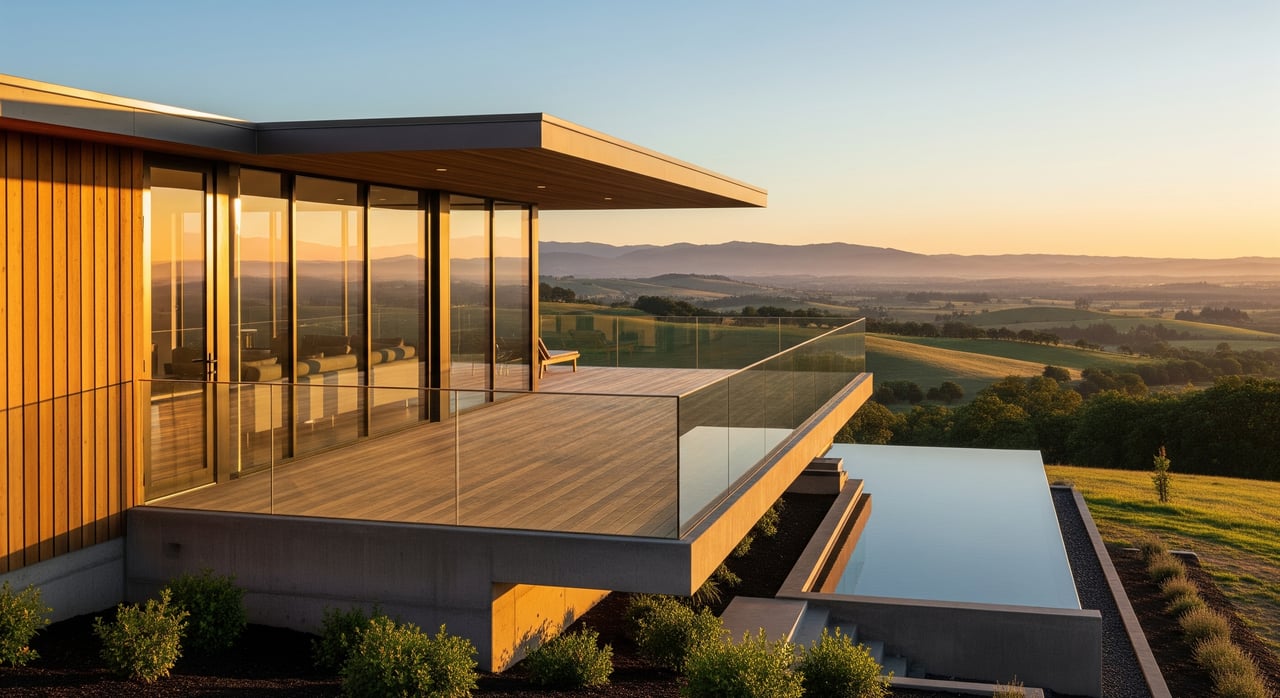
Wondering how much a West Hills view is really worth? If you are preparing to sell a hillside home in Benton County, pricing that view correctly can mean the difference between a swift, high-confidence sale and a slow listing weighed down by appraisal concerns. You want a price that reflects the vista, privacy, and rarity without outpacing what lenders and the market will support. This guide breaks down what drives value for West Hills view homes, how appraisers think, and the steps you can take to defend your premium. Let’s dive in.
Why West Hills views stand out
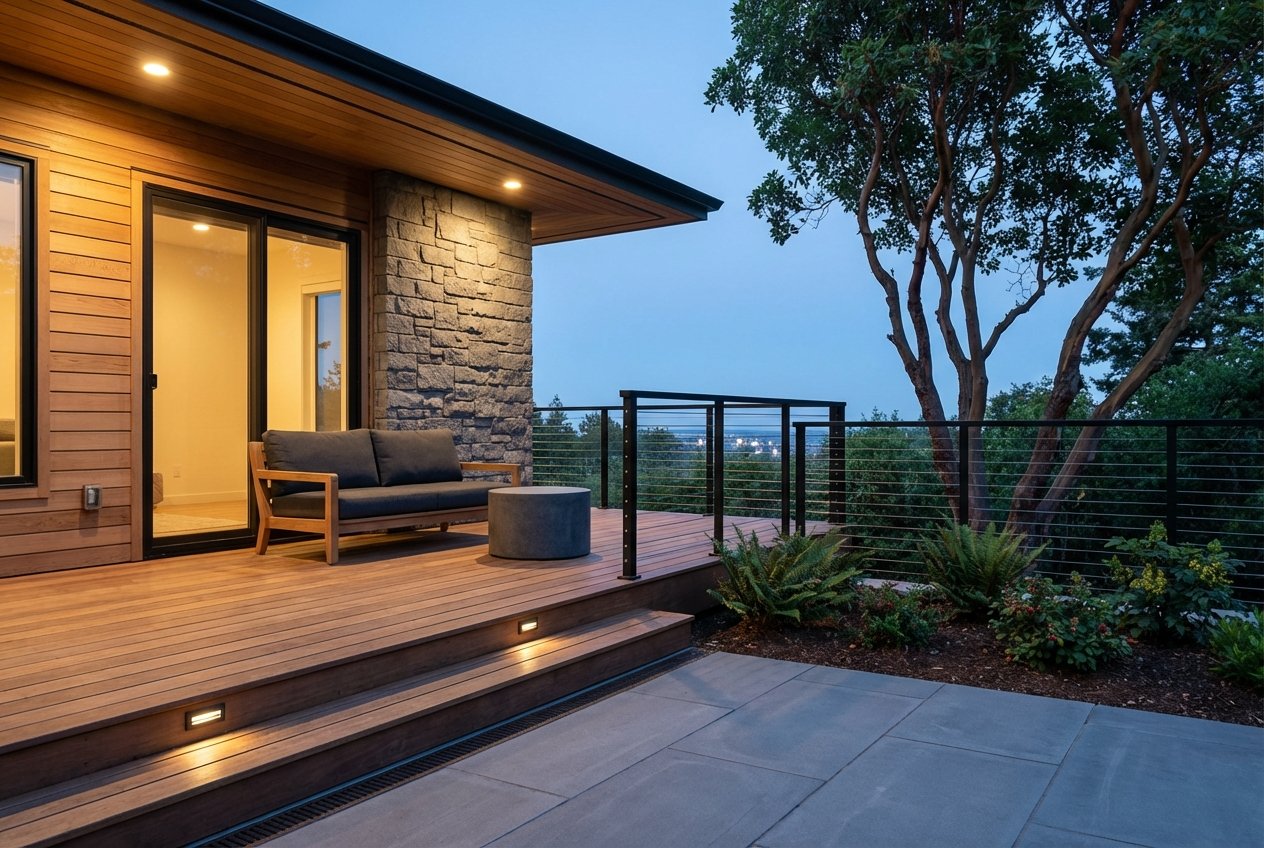
West Hills rises above the valley floor, with outlooks that can include sweeping valley panoramas, nearby ridgelines, and on clear days distant glimpses of the Cascade Range. The hillside topography creates dramatic sightlines but also adds construction, access, and maintenance considerations. View homes here often sit at the upper end of the market and attract buyers who value scenery, privacy, and a sense of retreat. Demand also reflects broader Benton County conditions, including local employment, commute patterns, and overall housing momentum.
What adds value to a view
Not all views are equal. Buyers and appraisers weigh quality, breadth, and permanence when judging a premium.
- View type and breadth. Wide, uninterrupted valley or mountain vistas typically command more value than narrow or partially obstructed views.
- Permanence. Views that face protected lands or ridgelines can feel more secure than those vulnerable to tree growth or nearby building. Lower risk usually means higher value.
- Orientation and light. West or southwest aspects that capture sunsets are often more desirable in this region. Daylight and passive solar benefits can boost perceived value.
- Elevation and separation. Greater vertical distance from neighbors can enhance privacy and the overall experience of the view.
- Foreground. Attractive slopes, gardens, or natural landscaping support value. Distracting elements like visible power lines or nearby rooftops can reduce it.
- Uniqueness. A rare vantage point or especially striking outlook can justify a meaningful premium, even among nearby comps.
Site and home factors in West Hills
The hillside setting influences use, access, and cost, which all feed back into price.
- Lot slope and usability. Steeper lots may provide better views but can limit yard use and raise landscaping or build costs.
- Access and roads. Long, steep, or poorly maintained driveways reduce buyer appeal and may impact insurance and lender comfort.
- Utilities. Whether the home is on city services or septic and well affects marketability and buyer expectations.
- Construction complexity. Retaining walls, hillside foundations, and erosion control add cost and maintenance considerations.
- Privacy and noise. Quiet settings paired with a strong view help justify a premium.
Hazards, insurance, and due diligence
Hillside living can carry additional risk that influences pricing, buyer demand, and insurability.
- Wildfire exposure. Elevated wildfire risk can increase insurance costs and shape buyer perceptions.
- Drainage and slope stability. Proper drainage, grading, and geotechnical insight matter on steeper sites and may affect value.
- Weather exposure. Wind and rain can increase roof and exterior maintenance needs.
Before listing, review hazard maps, local permitting records, and insurance options. If risks are present, proactive disclosure and documentation help preserve trust and support your price.
How appraisers treat views
View premiums are real, but they are also nuanced. Appraisers aim to quantify them through comparable sales and adjustments.
- Comparable scarcity. It can be hard to find truly similar sales, so appraisers make careful adjustments for view quality, orientation, and permanence.
- Paired sales. When possible, appraisers compare similar homes where the main difference is the view to isolate a premium.
- Lender sensitivity. If recent comps do not reflect a strong premium, a financed buyer may face an appraisal gap. Cash buyers or larger down payments can help bridge that risk.
The most reliable way to understand your home’s view premium is to analyze recent local sales with similar outlooks and document the rationale.
Smart pricing strategies for sellers
Set your list price with both the market and the appraisal in mind.
- Score the view. Create a simple 1 to 5 scale for breadth, distance, permanence, foreground, orientation, and privacy. Use it to compare against recent sales.
- Test the premium. In a strong market, you can price closer to a full view premium. In a slower market, consider a conservative premium to reduce appraisal risk.
- Prep for the appraisal. Provide a concise packet of recent comps, photos, and notes about the view’s permanence and orientation to support your price.
Your prep checklist
Gathering the right materials ahead of time builds confidence with buyers and appraisers.
- Recent comparable sales with similar view types and lot positions from regional MLS sources.
- High-resolution photos and drone images of the view from main living areas and outdoor spaces.
- Elevation and topographic context from county GIS or general mapping tools.
- Parcel records, deed, and any easements from Benton County offices.
- Planning and permitting history, including nearby permit activity, to flag potential view changes.
- Tree and vegetation rules, plus hillside development standards from the county or city.
- Hazard maps for wildfire, flood, and landslide susceptibility.
- Utility details confirming sewer, water, septic, or well status.
- A pre-listing appraisal or broker price opinion that explicitly addresses view adjustments, if conditions warrant.
Marketing that earns the premium
Strong presentation helps buyers see and feel the value of your outlook.
- Professional photography. Capture the view at multiple times of day, including sunset and twilight.
- Compelling visuals. Show how main living spaces connect to the view through window framing and sightlines.
- Clear description. Briefly note what the view overlooks and any factors that support permanence, stated factually.
- Comparable evidence. Share relevant comps and context in agent remarks or buyer packets to sustain the premium during negotiations.
Protecting your view over time
View permanence is a major component of value. Understand what can and cannot be controlled.
- Easements and restrictions. Recorded view easements or conservation restrictions may support stability. Many views do not have these protections.
- Local codes and HOAs. Vegetation ordinances, regrading rules, and CC&Rs can affect tree removal, additions, or hillside changes.
- Nearby development. Monitor permit activity that could impact sightlines. Tree growth on neighboring lots is a common long-term risk.
If you are unsure about protections, consult county records and relevant planning departments. Clear disclosures build trust and reduce surprises.
When to reconsider price
If showing traffic is strong but offers lag, your premium may be too aggressive for current comps. If you receive offers that fail to appraise, review your support materials or consider a strategic adjustment. When buyers need financing, tightening the premium can help the deal align with lender expectations.
Ready to price your West Hills view home with confidence? Connect with the dual-principal team at Spurlock & Williams Real Estate for concierge preparation, editorial-grade marketing, and negotiation rigor that helps defend your premium.
FAQs
How much more is a view worth in West Hills?
- It varies by view type, breadth, permanence, and recent local comps; the best approach is to derive the premium from paired West Hills sales with similar outlooks.
Can a West Hills view be legally protected?
- Some properties have recorded easements, conservation restrictions, or are adjacent to protected lands, but many views remain vulnerable to tree growth or nearby development.
Will my lender recognize the view premium?
- Lenders rely on appraisals; if local comps do not reflect the premium, financed buyers may face an appraisal gap that requires extra cash or pricing adjustments.
What reduces a view’s value fastest in West Hills?
- New nearby construction, maturing trees that block sightlines, and visibility of utilities or towers can erode value, as can increased wildfire or slope-related insurance costs.
What should I prepare before listing a view home?
- Gather recent view-comparable sales, high-quality photos and drone imagery, parcel and permit records, hazard maps, utility details, and consider a pre-listing appraisal or broker opinion.