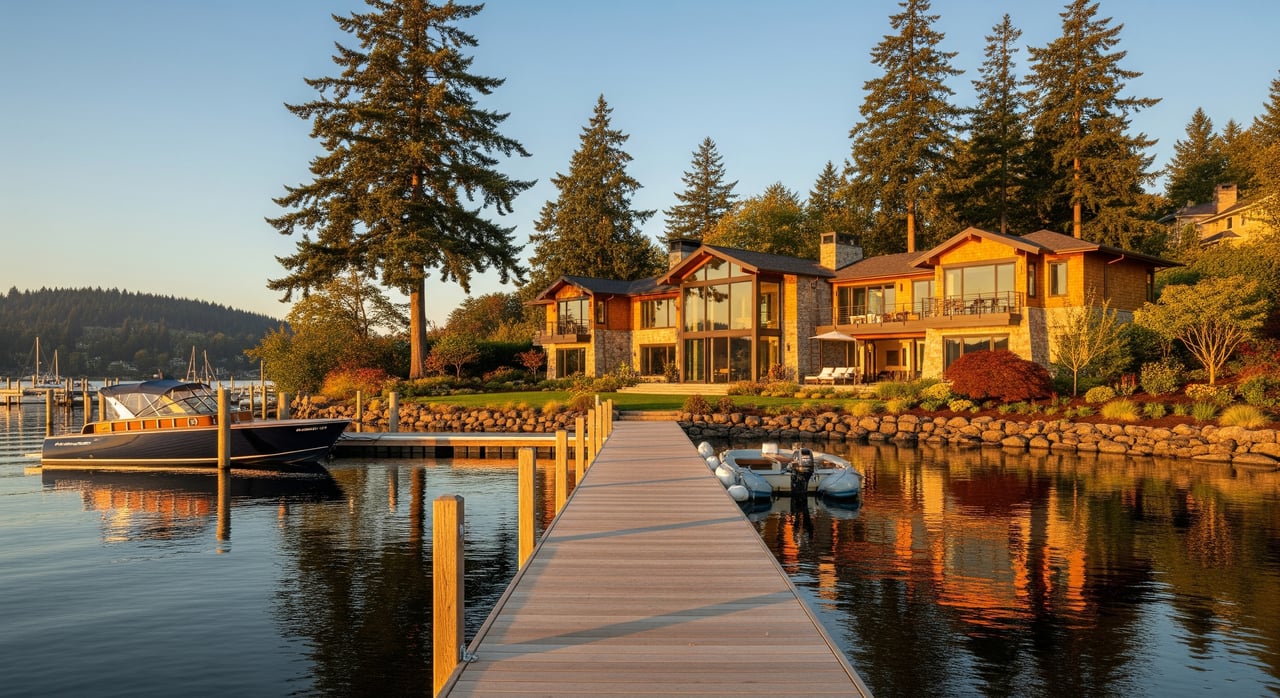
Thinking about buying or selling in Lake Oswego? You are not alone. This is one of the Portland area’s most desirable communities, and the housing market here follows its own rhythm. Whether you are aiming for an entry-level single-family home, a downtown condo, or a signature lakefront property, it pays to understand the fundamentals before you act. In this guide, you will learn how supply, demand, regulations, and financing shape outcomes so you can move with confidence. Let’s dive in.
Market snapshot: what is shaping Lake Oswego
Lake Oswego is a mature, affluent suburb with a long track record of premium pricing compared to the broader Portland metro. Inventory is often tight because there is limited developable land and high owner occupancy. That combination supports values over time.
Mortgage rates that rose in 2022 and 2023 put pressure on affordability across the region. As a result, transaction speed slowed in some segments, especially at the higher end. Entry and mid-level homes that are well priced still move faster, while unique or luxury properties can require longer marketing windows. For precise pricing and days-on-market right now, turn to recent RMLS market snapshots for Lake Oswego zip codes.
Supply and demand drivers
Supply is constrained. The city is largely built out, and most new construction happens as infill or small subdivisions. Zoning, design standards, and environmental overlays make higher-density redevelopment more complex, which keeps new supply limited.
Demand stays steady thanks to proximity to Portland employment centers, a scenic lake setting, parks, and a walkable core. Many buyers are professionals with higher household incomes who value quality housing and neighborhood amenities. Remote and hybrid work have also shifted preferences, with more people prioritizing space and lifestyle features.
Interest rates remain the most important macro driver. In a higher-priced market, even small rate changes can alter purchasing power and days on market. Regional job growth and migration trends also play a role in buyer activity.
Housing types and neighborhood context
Single-family homes dominate Lake Oswego’s housing stock, from established neighborhoods with mature trees to newer pocket developments. You will also find townhomes and condos clustered near downtown and major corridors. ADUs are becoming more common for rental income or multigenerational living.
Neighborhoods each have a distinct feel. Old Town and downtown offer walkable retail and dining with mixed housing types. Westlake, Waluga, and Bryant feature established single-family areas. Properties near I-5 and the Kruse Way corridor have quick highway access and nearby services. Lakefront neighborhoods carry premium pricing and include unique HOA and title considerations.
Price tiers: what moves and why
- Entry and mid-level single-family homes and townhomes: These tend to see the strongest buyer demand because they are more accessible relative to upper-tier properties.
- Condos: Often a practical entry point for buyers, especially close to downtown amenities.
- Lakefront and luxury homes: A smaller, specialized market. These homes can be more sensitive to rate changes and may require longer exposure times and tailored marketing.
If you are buying, expect well-priced homes under the luxury tier to draw interest quickly. If you are selling at the higher end, plan for an extended runway and a marketing strategy that highlights design, lifestyle, and unique features.
Regulations and land-use basics
Oregon’s middle-housing and ADU reforms require cities to allow certain duplex, triplex, and accessory dwelling options. Lake Oswego’s municipal code governs how those rules apply locally, including design standards, setbacks, and parking. If you plan to add an ADU or pursue a small-scale redevelopment, review local planning materials early.
Environmental overlays matter in many neighborhoods. Tree protections, stream buffers, steep slopes, and riparian areas can affect additions, exterior work, and site design. Engage the city’s planning staff or qualified consultants before you make plans so you know what is feasible.
Property taxes and assessments
Oregon’s property tax system limits assessed value growth under Measure 50. Your actual bill reflects assessed value plus local levies and bonds, which vary by district. Two similar homes can have different tax bills based on history, so request current tax information from the seller’s disclosures or the county assessor before you finalize your budget.
Certain areas may include special levies for schools, parks, or other districts. Verify these line items upfront to avoid surprises at closing.
Financing and appraisal considerations
Because Lake Oswego’s median prices are higher than many parts of the region, more buyers use loans above standard conforming limits or consider jumbo products. Lender programs, down payment options, and overlays differ, so align with a lender who is comfortable with local price ranges.
FHA, VA, and USDA programs can be less common for single-family homes here due to price caps and eligibility. If you are using these programs, confirm county loan limits early.
Appraisals can be nuanced, especially for lakefront or architecturally unique homes where comparable sales are limited. Expect close coordination among your broker, lender, and appraiser to support valuation and keep timelines on track.
How transactions work in Oregon
Oregon purchase agreements typically include inspection, financing, and appraisal contingencies. Earnest money and deadlines are negotiated. Sellers provide disclosures required by state law, and buyers conduct inspections during the contingency period.
Specialized inspections are common based on property features. For lakefront homes, you may need to evaluate docks, shoreline structures, and governing HOA rules. For hillside homes, consider geotechnical reviews. If a property has a septic system or private well, build in time for testing.
Escrow and title companies manage closing and recording with local customs that are standard across Clackamas County. Your agent will guide scheduling so your financing, insurance, and escrow all align.
Lakefront specifics to verify
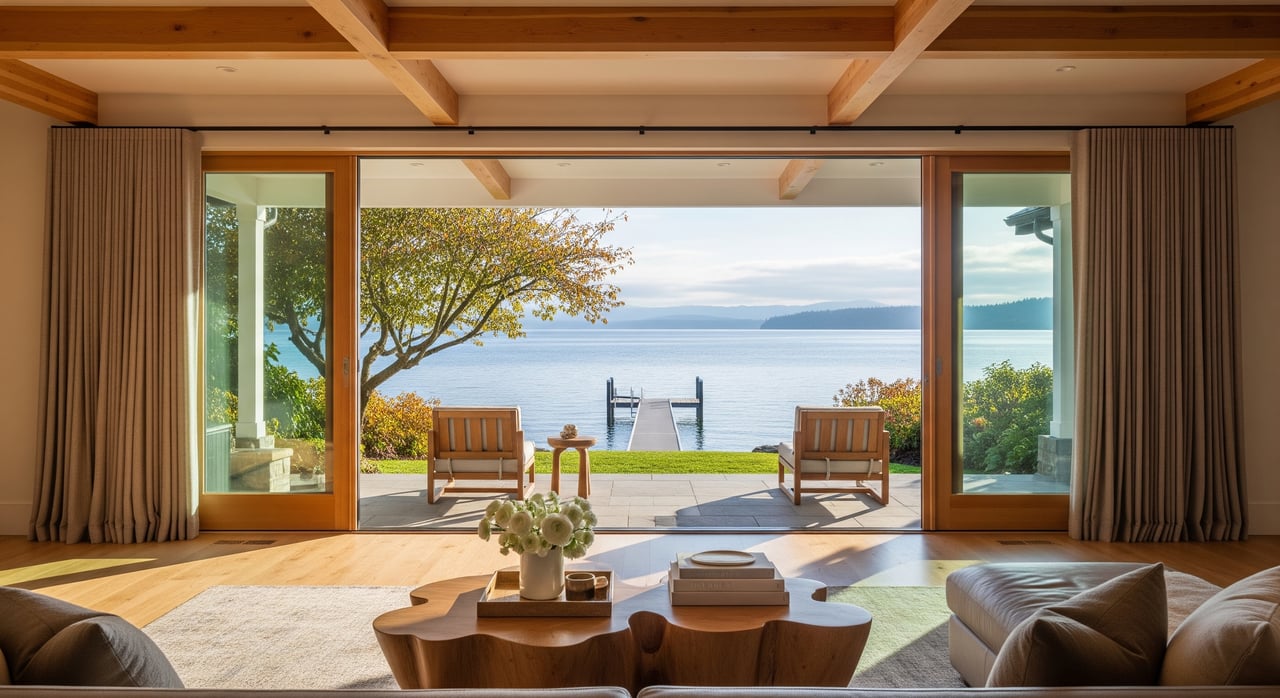
Buying on or near Oswego Lake comes with unique benefits and responsibilities. Access to the lake is primarily controlled by property owners and associations. Dock rights, lake privileges, and maintenance obligations vary by parcel and HOA.
Before you write an offer, verify title documents, HOA rules, fees, and any recorded easements. Waterfront rights and dock ownership details should be reviewed carefully with your title company and your broker to avoid gaps in access or unexpected costs.
Rental and investor notes
Owner occupancy is high, and the rental share is smaller than in many urban cores. Oregon has statewide tenant protections, so review current landlord-tenant laws before you purchase. Short-term rentals may be restricted by city ordinance or HOA covenants. Confirm local rules, permitting, and HOA policies for any property you are considering.
Practical buyer playbook
- Get pre-approved with a lender who works in Lake Oswego price bands, including conforming-plus and jumbo.
- Focus your search by segment: entry/mid-level single-family, condo/townhome, or lakefront/luxury. Each behaves differently.
- For homes on the lake or on steep lots, schedule specialized inspections early.
- In competitive segments, prepare a clean, complete offer and timeline that balances price with reasonable contingencies.
- Budget for property taxes based on the specific parcel rather than rough averages.
Practical seller playbook
- Price to the moment. Align with current interest-rate conditions and active competition in your segment to protect days on market.
- Elevate presentation. Professional staging, editorial photography, and thoughtful copy help buyers connect with your home’s story.
- Disclose early and clearly, including HOA rules for lake access, known system issues, or permits. This builds trust and reduces renegotiation risk.
- Tackle quick wins: curb appeal, lighting, de-cluttering, and minor repairs can shift buyer perception.
- For distinctive or luxury homes, plan for longer lead time, targeted marketing, and specialized showing strategies.
What to watch next
- Interest rates. Even small shifts can change affordability and buyer urgency in higher-priced segments.
- Inventory patterns. Lake Oswego’s supply is often tight, but new listings and seasonal cycles can open windows of opportunity.
For the most current sales, pricing, and days-on-market, rely on recent RMLS reports and local broker snapshots focused on Lake Oswego.
Why work with a boutique team
In a market defined by nuance and limited supply, process and presentation matter. A dual-leader, concierge model gives you more availability, layered expertise, and steady guidance from offer through closing. For sellers, design-forward staging and high-production photography can be the difference between interest and impact. For buyers, legal-minded negotiation and local relationships help you compete with confidence.
Ready to talk strategy for your move in Lake Oswego? Schedule your concierge consultation with Spurlock & Williams Real Estate.
FAQs
Is Lake Oswego more expensive than Portland?
- Yes. Home prices in Lake Oswego have historically run above Portland metro averages due to limited supply, lake amenities, and neighborhood demand.
How do interest rates affect Lake Oswego buyers?
- Higher rates reduce purchasing power and can lengthen marketing time, especially for luxury or unique homes; lower rates tend to increase activity and shorten timelines.
Can I add an ADU to a Lake Oswego property?
- State law supports ADUs, but local design standards, setbacks, and parking rules apply; review Lake Oswego planning guidance early in your process.
What should I verify for Oswego Lake access?
- Confirm HOA rules, dock rights, fees, and any recorded easements in title documents to ensure the access and privileges you expect.
How are property taxes calculated in Lake Oswego?
- Oregon caps assessed value growth, and final bills reflect assessed value plus local levies and bonds; verify the current tax bill for the specific property.
Which inspections are common for lakefront or hillside homes?
- Beyond general inspections, consider dock and shoreline evaluations, geotechnical reviews for slopes, and any system-specific checks like septic or wells.