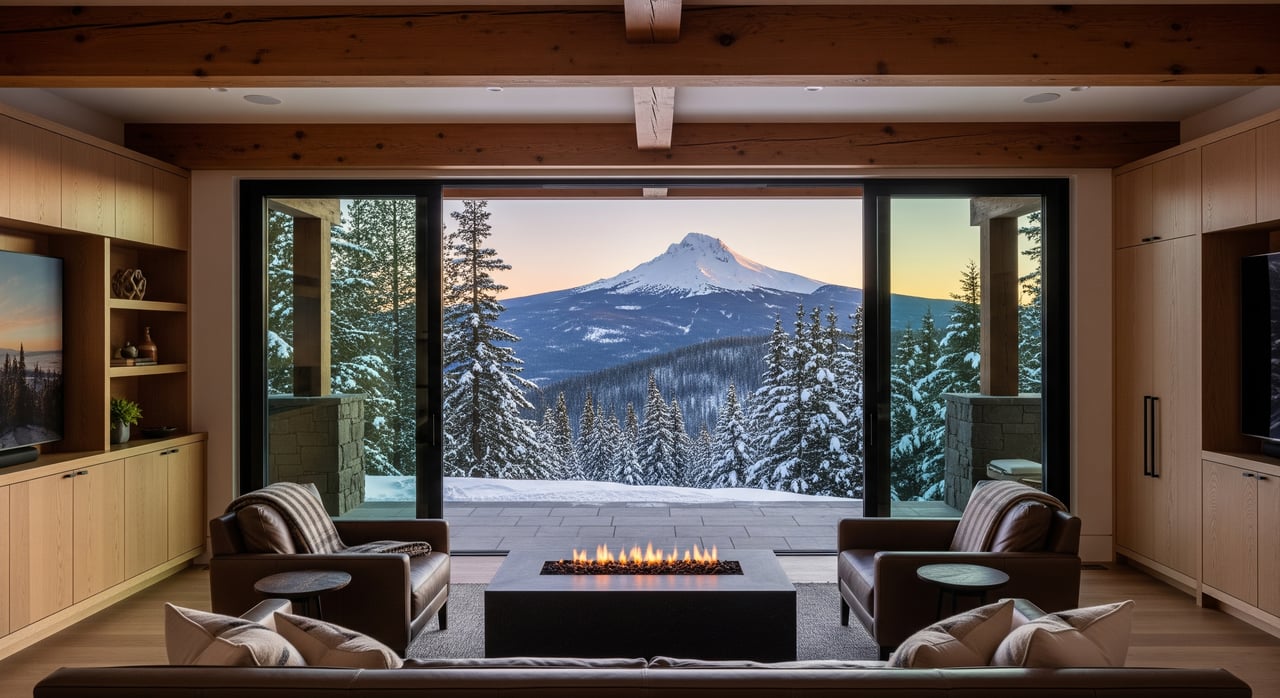
Dreaming of a cozy base on Mount Hood where you can ski in winter and hike in summer? If Government Camp is on your shortlist, you are not alone. Second homes here can be both a retreat and a smart lifestyle investment, but mountain properties come with their own rules. In this guide, you will learn what to check for winter access, utilities, insurance, financing, and rental options so you can buy with confidence. Let’s dive in.
Why Government Camp appeals
Government Camp sits on the slopes of Mount Hood near major ski and recreation areas like Timberline Lodge and Mt. Hood Meadows. The market is seasonal, with strong demand in winter and steady summer interest from hikers and mountain travelers. Many homes are cabins, chalets, or condos, and some older properties need winterization upgrades. Services are more limited than in larger towns, so plan for variable occupancy and self-sufficient ownership.
Winter access and operations
Roads and closures
You will rely on US‑26 for access. Winter storms can slow travel, require traction devices, or lead to temporary closures. Confirm who maintains your road segment, whether it is public or private, and how often it is plowed. Ask the seller about typical storm impacts, past access issues, and chain requirements.
Driveways and snow removal
Private roads and driveways often need contracted plowing. Budget for a road or snow‑removal agreement and ask for copies of any road association bylaws and fees. Check where snow can be piled without blocking access or damaging landscaping and utilities.
Home systems for cold
Mountain homes must handle heavy snow and freezing temperatures. Verify roof condition and snow‑load capacity and check for ice‑dam history. Confirm insulation, heating system efficiency, and pipe freeze protection. Older cabins may benefit from upgrades to windows, doors, and heat controls.
Utilities and connectivity
Water and septic
Many properties rely on private wells or shared spring systems. Request well reports, recent water quality tests, and any shared water agreements. Septic systems are common, so review permits, pumping records, and inspection results. Confirm location of tanks and drain fields and whether the system supports your planned occupancy or rental use.
Power and heat
Ask the electricity provider about typical outage duration in winter and whether line undergrounding or tree trimming has improved reliability. Consider backup power options if you plan frequent winter use. Confirm the primary heat source and whether supplemental systems are needed in extreme cold.
Internet and deliveries
Coverage can be spotty at elevation. Test providers at the property and consider fixed‑wireless or satellite as backups. Learn how mail and package delivery works in storms and whether there are centralized boxes or delivery delays.
Zoning, permits, and rentals
Zoning and allowed uses
Government Camp is unincorporated, so Clackamas County codes govern what you can do with the property. Obtain written confirmation of zoning and permitted uses before you make an offer, especially if you plan to rent.
Short‑term rentals and lodging taxes
Short‑term rental rules and transient lodging taxes can change. Confirm county ordinances, registration, licensing, and tax collection requirements. If the home is in a condo or HOA, verify rules on rentals and any minimum stay limits or owner‑occupancy requirements.
Easements and nearby federal land
Some properties border or access U.S. Forest Service land. Confirm any private access easements, use restrictions, and recorded covenants. Title work should surface these items, but you should review them closely.
Permits and remodels
Many mountain homes need updates that require permits, from electrical and plumbing to septic replacement. Check past permit history, current code requirements, and realistic timelines for winter work windows.
Insurance and mountain hazards
Wildfire and structural fire
Forested settings face wildfire exposure. Ask carriers for quotes early, including coverage terms and deductibles. Create defensible space and confirm local fire district guidance for mitigation.
Snow, ice, and roof load
Heavy snow stresses roofs and can lead to ice dams. Ask for any structural assessments and records of past snow damage. Preventive roof maintenance and heat‑trace systems can reduce risk in older homes.
Flooding and debris flow
Steep slopes can increase landslide or debris‑flow risk, and certain areas may lie in flood zones. Review hazard maps and consider specialized coverage if recommended by your insurer.
Coverage types to evaluate
Standard homeowner policies may exclude certain perils or set higher deductibles. If you plan to rent, confirm liability limits, loss‑of‑rental‑income coverage, and whether wildfire or wind coverage requires a specialty policy.
Financing and tax basics for second homes
Mortgage differences
Second‑home loans use stricter underwriting than primary residences. Expect higher down payments, reserve requirements, and documentation. If you plan long‑term or frequent rental use, the loan may be treated as an investment property with different terms and pricing.
Interest, rental income, and depreciation
Mortgage interest on a second home can be deductible within current IRS limits and rules. If you rent the home, rental income is taxable, and you may be able to offset it with eligible expenses and depreciation. The IRS has specific rules for personal use days and the 14‑day threshold for limited taxability.
Capital gains and future plans
If you eventually convert the second home to a primary residence and meet the residency requirements, you may qualify for the primary‑residence capital‑gains exclusion. Plan ahead with a CPA to align your use and holding period with your goals.
Due‑diligence checklist
Use this to organize your offer‑period investigations.
- Zoning and use
- Written verification of zoning and permitted uses from Clackamas County Planning & Zoning.
- Confirm any rental registrations, licensing, and lodging tax obligations.
- Seller records
- Well reports, water quality tests, and shared water agreements.
- Septic permits, pumping and inspection records, and drain field map.
- Road maintenance agreements and snow‑removal contracts.
- HOA/condo or road‑association bylaws, budgets, and reserves.
- Past insurance claims and documentation of winter damage or repairs.
- Inspections
- Full home inspection with focus on cold‑climate systems.
- Septic inspection and performance review.
- Well flow test and water quality testing.
- Mold/moisture check and thermal imaging if suggested.
- Roof and structural assessment for snow load where appropriate.
- Insurance pre‑check
- Quotes for homeowner and wildfire coverage and any exclusions.
- If renting, confirm liability and loss‑of‑rental‑income options.
- Utilities and communications
- Confirm electricity provider, outage history, and service reliability.
- Verify broadband options and run speed tests at the property.
- Title and access
- Title search for easements, access agreements, covenants, and liens.
- Review any use restrictions relating to vacation rentals or occupancy.
- Financial and tax
- Second‑home or investment loan pre‑approval and reserve planning.
- Consultation with a CPA about rental income, lodging taxes, and capital gains.
Costs to plan and budget
Owning a mountain home involves unique operating and capital costs. Build a realistic budget before you write an offer.
- Operating expenses: utilities, higher winter heating, snow removal, HOA or road‑association fees, and property management if renting.
- Maintenance and reserves: roof work due to snow load, septic repair or replacement, well pump service, drainage and foundation improvements.
- Insurance: premiums, wildfire or flood add‑ons, and higher deductibles.
- Taxes: Clackamas County property taxes and transient lodging taxes if you operate as a short‑term rental.
Planning a rental strategy
If you plan to rent, estimate seasonality and true operating costs. Gather cleaning, utilities, snow‑removal, and management quotes, and model occupancy for winter peaks and shoulder seasons. Confirm HOA or condo restrictions and any minimum stay rules. Build a conservative revenue forecast that includes reserves for weather‑related closures and maintenance.
How we help you buy well
A successful Government Camp purchase blends market insight with legal and logistical detail. Our team pairs white‑glove service with careful risk management so your second home is both enjoyable and secure.
- Curated property search: We prioritize access, structural soundness, rental potential, and true operating costs.
- Legal‑minded diligence: Two senior brokers co‑manage your file, reviewing title, easements, association rules, and permit histories.
- Advisory on upgrades: We help you scope winterization, insulation, and roof improvements before you commit.
- Offer and negotiation: Seasonality and inventory can shift quickly. We position you to win while protecting your interests.
When you are ready, connect with Spurlock & Williams Real Estate to map your path to a Government Camp second home.
FAQs
What makes Government Camp unique for second homes?
- It is a high‑elevation, recreation‑centric market near Mount Hood with seasonal demand, older cabins and condos, limited services, and winter access considerations.
How difficult is winter access to Government Camp?
- US‑26 can require traction devices during storms and may face temporary closures; confirm road plowing responsibilities and typical winter conditions with sellers and local agencies.
What inspections are most important for a mountain cabin?
- In addition to a full home inspection, verify roof snow‑load capacity, insulation and freeze protection, septic performance, and well flow and water quality.
Can I operate a short‑term rental in Government Camp?
- Possibly, but you must verify county rules, any required licenses and transient lodging taxes, and HOA or condo restrictions that may limit or regulate STRs.
Are insurance premiums higher in forested mountain areas?
- They can be due to wildfire and snow risk; obtain early quotes, review exclusions and deductibles, and confirm coverage for rental operations and loss‑of‑income if applicable.
How do lenders view second‑home financing here?
- Expect higher down payments and reserve requirements than for a primary residence; rental intent may shift the loan to investment underwriting with different terms.