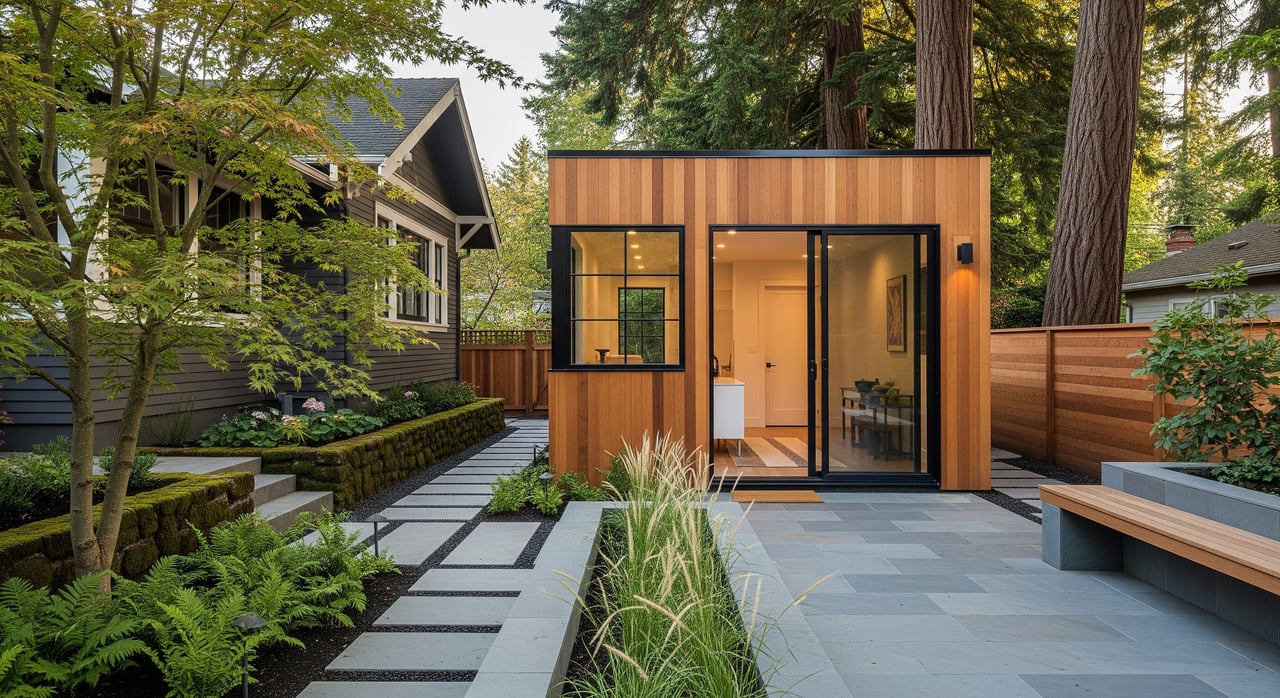
Thinking about adding an ADU to your Sellwood-Moreland property to create steady rental income? You are not alone. Many homeowners in this walkable Southeast Portland neighborhood see ADUs as a smart, flexible way to build long-term wealth and support multigenerational living. In this guide, you will learn what to confirm about local rules, how to budget, what drives rent, and how to move from idea to income with fewer surprises. Let’s dive in.
Why Sellwood-Moreland fits ADUs
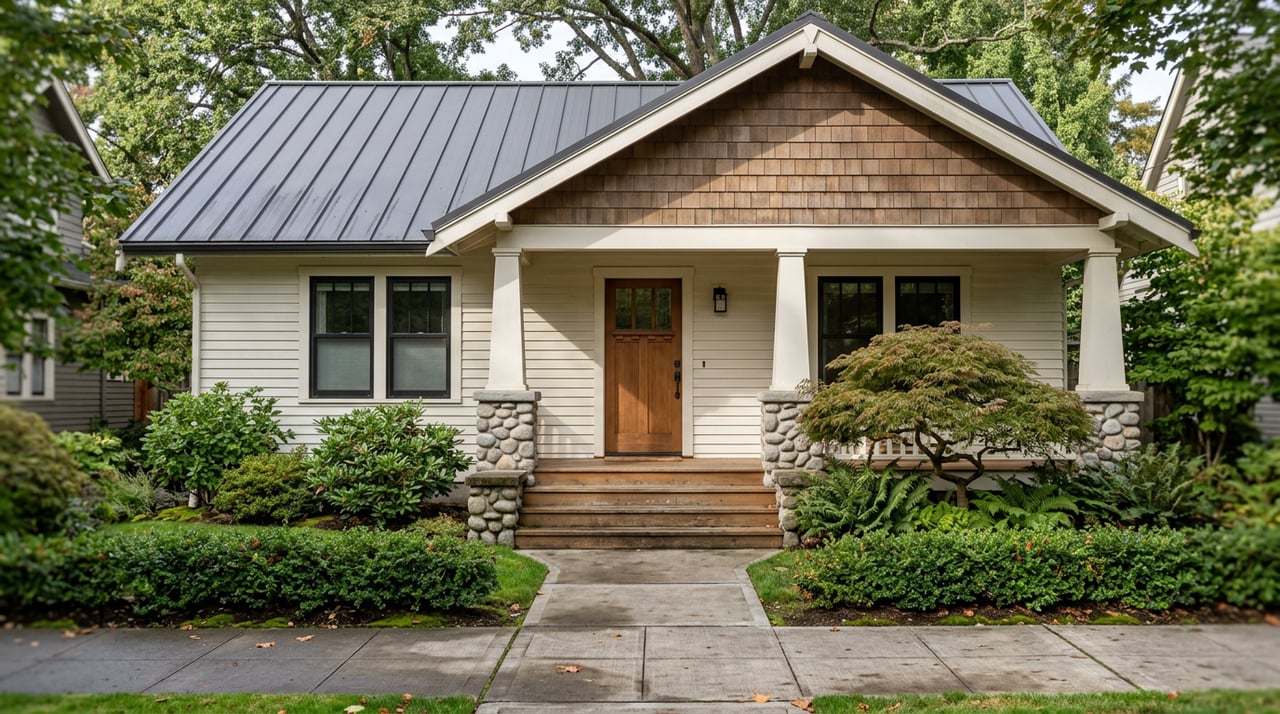
Sellwood-Moreland has the right ingredients for ADU success. The neighborhood is mature and walkable, with tree-lined streets, parks, and a lively commercial core. Many early-20th-century homes sit on lots with rear yards or alleys, which can suit detached ADUs.
Demand is supported by proximity to jobs and transit, plus daily-life amenities that appeal to long-term renters. Professionals, small households, students, and multigenerational families often choose this part of Portland for its convenience and character. These factors can support stable occupancy for well-designed ADUs.
There are limits to consider. Portions of the neighborhood may have historic or conservation overlays that affect exterior changes and siting for a new structure. Local rent levels and competition from nearby apartments will also shape your achievable rent and your payback timeline.
ADU rules in Portland to confirm
Every site is different, so plan to confirm details with the City of Portland’s Bureau of Development Services (BDS), Portland Maps, and the Portland Housing Bureau before you invest in design or construction.
Allowed ADU types
- Attached ADU: within or added to your existing house.
- Detached ADU: a stand-alone structure in the yard.
- Conversion: finishing a basement or converting a garage or accessory space.
Many cities allow one ADU per lot where a house exists. Confirm current Portland limits for your specific property, including size caps, height, and setbacks.
Parking and owner occupancy
Portland has historically relaxed off-street parking for ADUs in many zones. Verify current parking rules and whether any exemptions apply to your property. Also confirm the current owner-occupancy policy, which can change over time and may affect your long-term rental plan.
Historic overlays and design review
If your property sits within a historic or conservation overlay, you may need design review or landmark approvals for exterior work and detached structures. A quick property lookup on Portland Maps will show zoning and overlays to guide your next steps.
Short-term vs long-term rental
Short-term rental rules differ from long-term leases and often require registration or permits. Since this guide focuses on long-term income, confirm any separate short-term requirements if you plan to explore that use in the future.
Building code, utilities, and permits
ADUs must meet building, plumbing, mechanical, electrical, and life-safety standards. Utility upgrades or stormwater facilities may be required depending on your site and design. Expect staged inspections and final occupancy approval before you rent.
Costs and financing
Typical cost ranges
ADU costs vary widely by type, size, and finishes. A finished detached unit can range roughly from $80,000 to $300,000 or more. Attached or internal conversions can be less, but costs still vary by site and scope. In the Portland metro, labor, permitting, and small-scale construction premiums can push budgets toward the higher end of national ranges.
Key cost drivers include:
- Size and layout
- Foundation and utility extensions
- Site work, grading, and stormwater
- Permit and design fees
- Interior finishes and appliance package
- Contractor market conditions and timeline
Treat these as estimates. Plan to secure at least two to three local contractor bids and discuss a preliminary fee quote and review times with BDS.
Financing options to consider
- Cash or savings
- Home equity loan or HELOC
- Renovation mortgages such as FHA 203(k) or conventional renovation loans (availability varies)
- Construction loans for detached new builds
- Local loan or pilot programs if available through city or housing agencies
Choose financing that matches your timeline and risk tolerance. Build in a contingency for unforeseen costs.
Operating costs and taxes
Your long-term budget should include insurance updates, utilities, routine maintenance, reserves for future repairs, and optional property management fees. New construction typically increases assessed value, which can raise property taxes. For tax impacts, contact the Multnomah County Assessor. Rental income is taxable, and many owners deduct eligible expenses and depreciation. A local CPA can help you plan.
Estimate rent and returns
How to pull local rent comps
To estimate rent, review three to five current long-term rental listings in Sellwood-Moreland and nearby Southeast Portland for studios and one-bedrooms similar to your planned unit. Compare location, size, parking, laundry, outdoor space, and finishes. Use conservative assumptions and keep notes on each comp to support your pricing.
A simple pro forma framework
Use this quick model to test scenarios:
- Estimate gross monthly rent from comps. Multiply by 12 for annual gross rent.
- Subtract a vacancy allowance of 5 to 10 percent.
- Subtract annual operating costs: insurance, utilities you pay, maintenance, management, and an estimate of added property taxes.
- What remains is your net operating income (NOI).
- Cap rate equals NOI divided by total project cost.
- Cash-on-cash return equals annual cash flow divided by your cash invested.
Example, for illustration only:
- If a 600 square foot ADU rents at a market-supported rate, your annual gross rent is that monthly rate times 12.
- Subtract a 5 to 10 percent vacancy factor.
- Subtract your operating costs and a reasonable estimate for added property taxes.
- The result is your NOI. Divide by your total project cost to see a simple cap rate, or compare annual cash flow to your cash invested for cash-on-cash return.
Many small residential ADUs land in the mid-single-digit cap rate range due to high construction and land costs in established neighborhoods. Owners often pursue ADUs for long-term wealth building, stable supplemental income, flexibility for family, or future resale appeal, rather than short-term yield alone.
Site and design choices
Lot, access, and setbacks
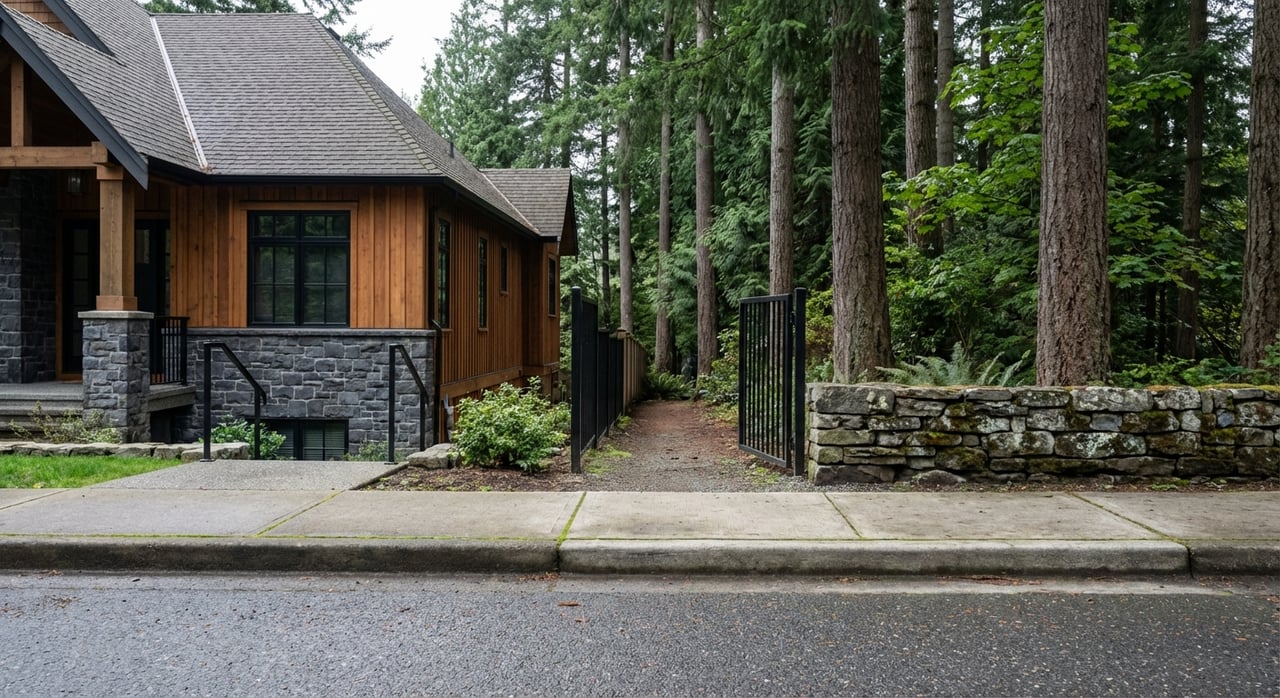
Most Sellwood-Moreland lots can accommodate a rear or alley-facing unit, but small or irregular parcels may limit placement. Plan for a safe, well-lit path to the ADU, clear address identification, and reasonable privacy for both the main house and the tenant. Confirm setbacks, easements, and stormwater management early to avoid redesigns.
Utilities and stormwater planning
Adding a second dwelling can trigger water, sewer, electrical, or gas upgrades. In some cases, you will need on-site stormwater facilities. Discuss utility routing in early design so trenching and tie-ins do not upend your budget.
Features renters value
- Efficient studios or one-bedrooms appeal to a broad renter pool and often cost less to build than two-bedrooms.
- Full kitchens and in-unit laundry can support higher rent and longer tenancy.
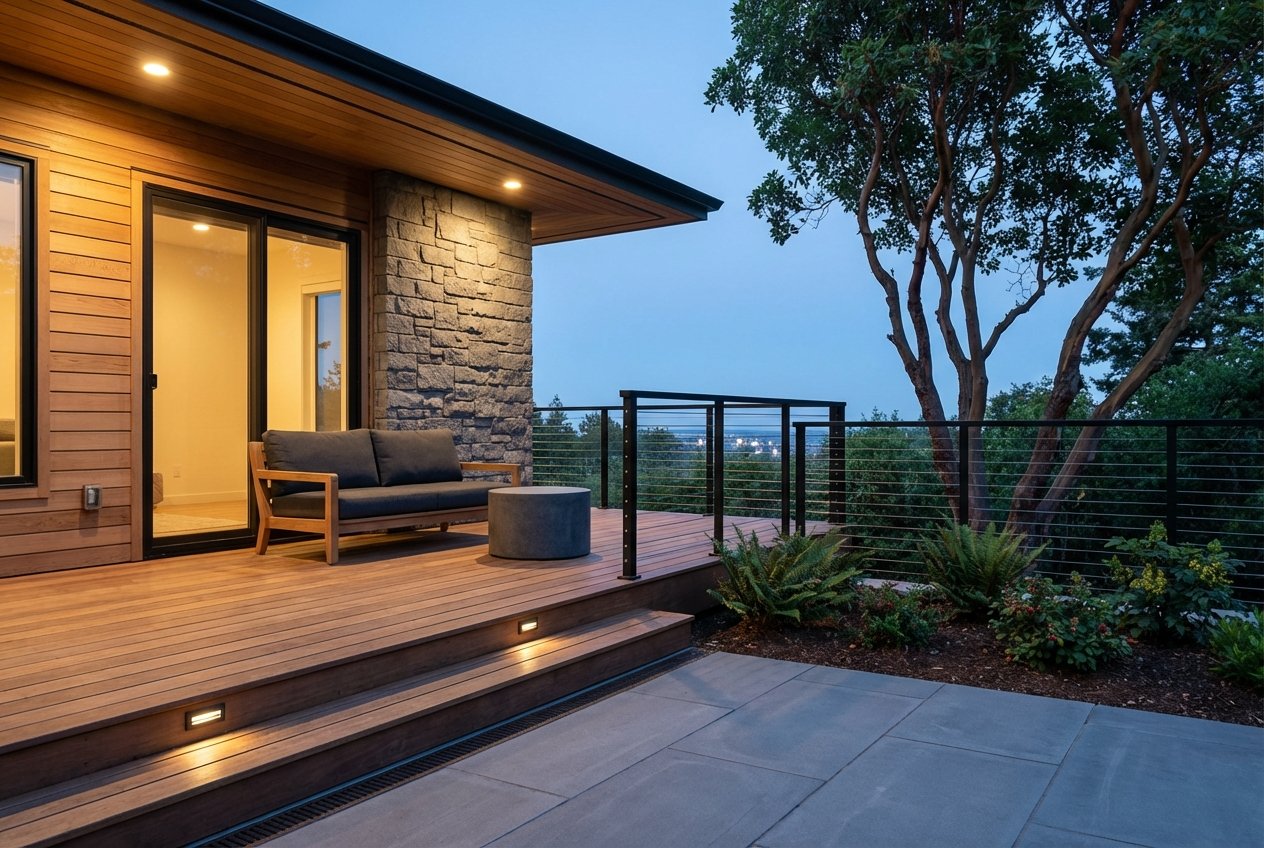
- Thoughtful window placement, sound control, and private outdoor space increase livability.
- Energy-efficient insulation and systems lower operating costs and can be a draw for renters.
- Consider universal design features where feasible to widen your audience.
Process and timeline
A step-by-step path
- Pre-application research, 2 to 4 weeks: confirm zoning, overlays, setbacks, and any historic requirements. Build a rough budget and timeline.
- Design and permitting, 1 to 4+ months: hire a designer or architect to produce plans and submit for building permits. Review times vary by workload.
- Construction, 3 to 12+ months: schedule depends on whether it is a conversion or a new detached build, contractor availability, and weather.
- Inspections and occupancy: complete staged inspections and obtain final approval before advertising your rental.
Total project time can range from about 6 months for a straightforward internal conversion to 12 to 18+ months for a new detached unit.
Common risks and how to manage them
- Underestimating soft costs: budget for design, permits, utility connections, and contingency.
- Historic or overlay surprises: verify overlays early and understand any design review steps.
- Utility capacity and stormwater: plan upgrades and on-site facilities if needed.
- Tenant management: decide whether to self-manage or hire a property manager and price that into your numbers.
- Financing and valuation: not all lenders or appraisers fully capture ADU income. Set refinance and sale expectations conservatively.
Long-term strategy
Resale value and flexibility
A legal, well-integrated ADU can enhance a property’s market appeal, though buyer preferences and appraisals vary. Many owners value the flexibility to house family or a caregiver now and rent later, or vice versa. Design with durability and neutral finishes so the unit stays attractive through cycles.
Management plan
Decide in advance how you will screen tenants, handle maintenance, and respond to issues. Oregon landlord-tenant rules cover deposits, notices, and habitability. Set clear house rules that align with those laws and with your property layout.
Local next steps
A focused due diligence sequence can save time and money:
- Look up your property on Portland Maps to confirm zoning and any historic or conservation overlay.
- Review the City of Portland BDS ADU guidance for size limits, setbacks, and permit checklists.
- Contact BDS or a licensed designer for property-specific advice.
- Gather three to five local rent comps and build a conservative pro forma.
- Request two to three contractor bids and confirm permit fees and review timelines.
- Speak with the Multnomah County Assessor about likely assessment impacts, and consult a CPA on rental deductions and tax planning.
When you are ready to discuss how an ADU could support your broader real estate goals in Sellwood-Moreland, we are here to help.
Ready to explore options or position your property for the market with an ADU plan in mind? Connect with Spurlock & Williams Real Estate for a calm, detail-driven conversation about next steps.
FAQs
What makes Sellwood-Moreland attractive for ADUs?
- Walkability, mature lots with rear yards or alleys, and steady renter demand support long-term occupancy for well-designed ADUs.
How much does an ADU cost in Portland?
- Costs vary widely, with detached units often ranging from roughly $80,000 to $300,000+ and conversions typically less; get local bids for accuracy.
How long will permitting and construction take?
- Plan for 1 to 4+ months for design and permits and 3 to 12+ months for construction, with total timelines ranging from about 6 to 18+ months.
Do I have to live in the main house to rent an ADU?
- Owner-occupancy rules can change, so confirm the current Portland policy before finalizing your financing and operating plan.
Will an ADU increase my property taxes?
- New construction is usually assessed as an improvement that can raise assessed value; contact the Multnomah County Assessor for guidance.
How should I estimate rent for my ADU?
- Pull three to five nearby long-term listings for similar unit types, use a conservative vacancy allowance, and build a simple pro forma to test returns.