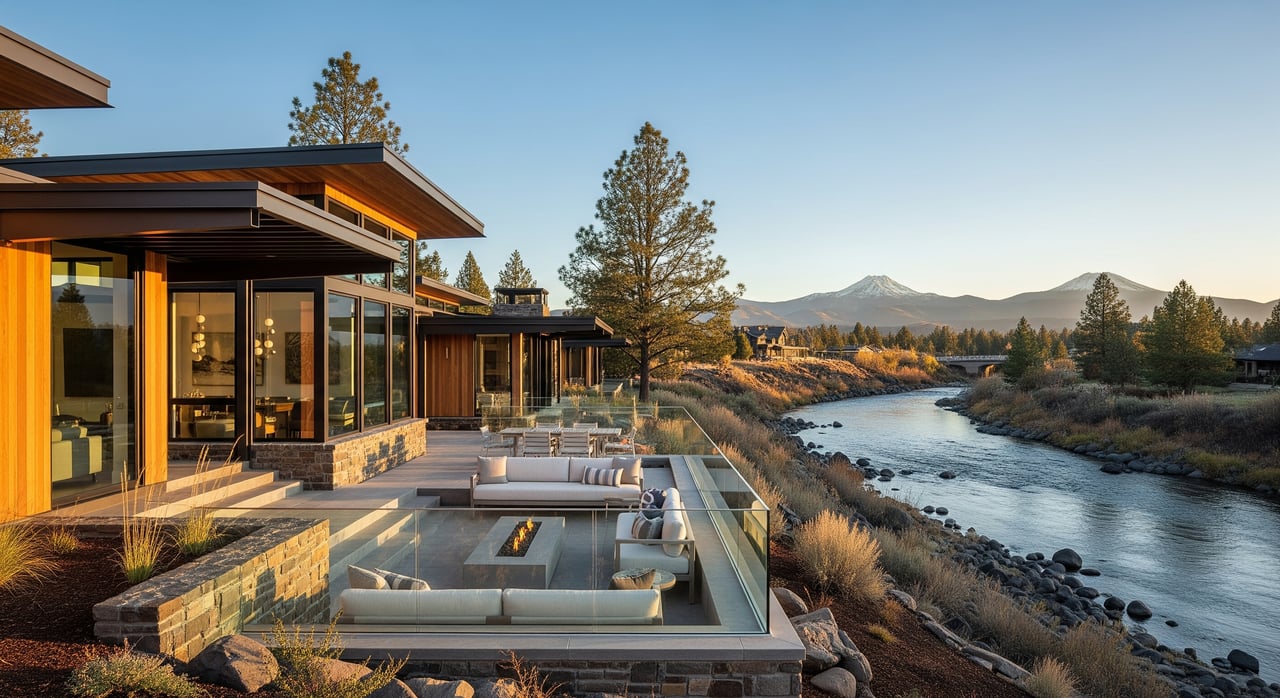
You have probably heard someone say, “I visited Bend and did not want to leave.” If you are weighing a move or a second home, the pull is real. The city blends trailheads and ski lifts with a lively small-city core, and that mix keeps demand steady through changing market cycles. In this guide, you will learn why Bend continues to draw homebuyers, where the trade-offs show up, and how to shop smart in Deschutes County. Let’s dive in.
Outdoor lifestyle drives demand
Year-round recreation access
In Bend, outdoor time is part of daily life. Mount Bachelor offers alpine skiing and snowboarding in winter, while nearby forests and high desert open up backcountry routes. The Deschutes River anchors paddle sports and fly-fishing, and an expansive trail network supports mountain biking and hiking. Many buyers come for this easy access to four-season recreation and stay because it fits how they want to live.
Culture close to the trails
Bend pairs outdoor access with a compact, walkable downtown and a strong food and craft beverage scene. Festivals, arts events, boutique retail, and community spaces create an in-town rhythm that complements time outside. You can finish a ride or a river float and be at a neighborhood cafe within minutes, which is a lifestyle pattern many buyers prioritize.
Premiums for views and access
Proximity often sets pricing. Properties with river frontage, mountain views, or immediate trail access can command a premium. If you value quick access to skiing, biking, or paddling, plan your budget with that premium in mind. If you prefer value over views, consider homes a bit farther from the most in-demand trailheads.
Jobs, remote work, and entrepreneurship
Diverse local employers
Tourism, hospitality, and construction have long been part of Bend’s economy. Healthcare and education have expanded their footprint, with St. Charles Health System and OSU‑Cascades serving as key anchors. Trade and services round out the base. The result is a small-city job mix with regional influence.
Remote work readiness
Since 2020, more remote and hybrid workers have chosen Bend for lifestyle reasons while keeping jobs tied to larger metros. That trend supports demand across a range of neighborhoods. If you work from home, broadband quality and cellular coverage are practical checks that can vary by block, especially in rural pockets of Deschutes County.
Small business energy
Bend is known for startups and independent brands, from outdoor-industry firms to breweries and specialty retailers. This entrepreneurial layer adds diversity to the local economy and gives buyers confidence that the city’s lifestyle brand is not just marketing. It is supported by businesses that reflect the region’s outdoor identity.
Housing market dynamics
Who is buying in Bend
Bend draws a mix of buyers. You will see primary-residence purchasers from the local workforce and retirees, relocation buyers arriving from other states, second-home owners seeking a base for recreation, and investors who operate short-term rentals where allowed. Each group emphasizes different neighborhoods and price tiers.
Supply limits and seasonality
New housing supply faces real constraints. Oregon’s land-use system, the city’s urban growth boundary, permitting timelines, labor availability, and material costs can all influence how quickly new homes reach the market. Demand often rises during the best weather seasons, which can tighten inventory in popular segments. Entry-level homes and standout west-side neighborhoods tend to be competitive.
Pricing patterns to watch
Bend saw significant appreciation in the late 2010s and again in 2020 and 2021, followed by cooling periods as mortgage rates shifted. Conditions can diverge by neighborhood and price tier. To calibrate your timing and expectations, review the latest median price, inventory, days on market, and sale-to-list ratios from the local MLS through the Central Oregon Association of REALTORS. These figures change quickly and are your best guide to on-the-ground momentum.
Access, services, and everyday living
Getting around and flights
U.S. 97 connects Bend north and south, with drive times that are modest compared with major metros but can stretch during peak tourist periods. The Bend Municipal Airport supports general aviation, and Redmond Municipal Airport offers regional flights that make second-home ownership and frequent travel feasible.
Healthcare and education
St. Charles Health System serves as the primary regional medical center, which is an important consideration for buyers who value nearby specialty care. Public K–12 is provided by Bend‑La Pine Schools, and OSU‑Cascades adds a higher education presence and workforce training. When comparing neighborhoods, consider commute patterns to schools and medical facilities that matter for your household.
Broadband for remote work
Broadband coverage has improved across Bend, though quality can vary by neighborhood, especially toward the county’s rural edges. If you are a remote worker, verify internet options at the specific address and ask about provider upgrades planned for the area. Strong broadband can be a key differentiator for both daily use and resale.
Rules and risks to factor in
Urban growth boundary and supply
The city’s urban growth boundary helps shape where housing can be built and at what pace. Expansion decisions and zoning determine land availability for new neighborhoods. This planning framework supports orderly growth but can limit near-term supply, which affects pricing and competition.
Short-term rental regulations
Short-term rentals influence demand in certain areas and can reduce long-term rental stock. The City of Bend regulates STRs and has updated rules over time. If you intend to buy an investment property, study the current ordinance and neighborhood-specific allowances before you write an offer. Rules and enforcement can materially affect revenue potential and resale.
Wildfire and water considerations
Central Oregon’s climate brings a real wildfire season, and smoke impacts can occur. You should evaluate defensible space, construction features, and local fire district guidance for any property you are considering. Insurance availability and pricing can vary by location, even block by block. Water resource planning also matters for long-term growth and for some rural properties where water rights or system capacity can be relevant.
Neighborhood fit by lifestyle
Outdoors-first convenience
If your priority is trail access, river proximity, or quick drives to Mount Bachelor, focus on west-side areas and neighborhoods near major trail networks. Expect to budget for premiums linked to access and views. Verify parking and seasonal traffic patterns if your favorite trailheads attract visitors.
Everyday value and commuting
If you commute along U.S. 97 or value quicker cross-town drives, look at neighborhoods that offer efficient highway access. You can sometimes trade a longer drive to favorite recreation spots for better everyday convenience and more square footage at a given price.
Second-home flexibility
If you split time between Bend and another city, look for lock-and-leave features such as low-maintenance landscaping and exterior materials suited to the local climate. Proximity to the Redmond airport can also be a plus. If you are considering STR income, align your search with current rules before you tour.
Rural feel within reach
In parts of Deschutes County outside the Bend city limits, you may find larger lots and a more rural setting. Broadband and cellular service can be more variable, and fire-resilient landscaping becomes even more important. Confirm utility details, road maintenance, and emergency access during your due diligence.
Smart buying steps in Bend
Use this concise checklist to stay focused:
- Clarify use: primary residence, second home, or investment. Your plan will shape neighborhoods, property type, and due diligence.
- Price the lifestyle: homes with views or direct access to trails and the river often carry a premium. Set clear thresholds before you shop.
- Verify internet: confirm broadband speed and provider options at the address. Ask about planned upgrades.
- Review market stats: check the latest COAR data on inventory, days on market, and median pricing for your target neighborhoods.
- Check STR rules: confirm current City of Bend regulations and neighborhood eligibility if short-term income is part of your plan.
- Evaluate hazards: review wildfire maps, discuss insurance with your carrier, and plan for defensible space. For riverfront or hillside homes, understand floodplain and geologic considerations.
- Time your search: seasonality can affect selection and competition. Align your timeline with your risk tolerance and the segments you care about.
- Plan inspections: budget for roof, HVAC, sewer, and well or septic inspections where applicable. In rural areas, confirm water rights and road maintenance.
What this means for you
Bend offers a rare mix of outdoor access, small-city amenities, and a diversified regional economy. Those advantages continue to draw buyers, and supply constraints can amplify competition in the most desirable segments. If you approach the market with clear priorities and careful due diligence, you can secure a property that fits both your lifestyle and your long-term goals.
If you want curated guidance and a smooth process, our team brings a boutique, concierge approach to relocation and second-home purchases in destinations like Bend. With two senior brokers on each transaction, refined presentation and negotiation, and legal-minded detail, we help you buy with confidence.
Ready to explore Bend with a trusted advisor by your side? Connect with Spurlock & Williams Real Estate to discuss your goals and schedule your concierge consultation.
FAQs
Why do homebuyers choose Bend over other cities?
- Bend combines year-round outdoor access, a walkable small-city core, and a growing base of healthcare, education, and remote-work opportunities, which together support lifestyle-driven demand.
How affordable is Bend compared with other areas?
- Bend is often above national median home values and many Oregon rural areas, with premiums in central and west-side neighborhoods. Check current COAR stats for the latest pricing and inventory.
What types of buyers are moving to Bend today?
- Primary-residence buyers, remote workers relocating from other metros, retirees, second-home owners, and investors in areas that allow short-term rentals all play a role in demand.
How do short-term rental rules affect investment potential in Bend?
- City regulations determine where and how STRs can operate, and updates over time can shift revenue potential and resale value. Verify current rules for each property and neighborhood before making an offer.
What should remote workers verify before buying in Bend?
- Confirm broadband speed and provider options at the address, test cellular coverage, and review commute times to shared workspaces or regional airports if travel is frequent.
How does wildfire risk factor into a Bend purchase?
- Assess defensible space, building materials, and local fire guidance for the property, and talk with insurers early. Risk and coverage can vary within short distances, so property-level checks matter.