If you love hosting at the coast, you already know the challenge: a beautiful beach house can feel less relaxing when sand, wet towels, and salt air start taking over. In Gearhart, a guest-ready home is not just about style. It is about making everyday coastal living easier, cleaner, and more comfortable for the people who walk through your door. With the right layout choices, durable materials, and low-fuss outdoor features, you can create a home that welcomes guests gracefully in every season. Let’s dive in.
Start With Gearhart’s Coastal Reality
A guest-ready coastal home in Gearhart should reflect how the area actually lives and feels. Nearby NOAA climate normals for Astoria Regional Airport show an average annual precipitation of 70.26 inches, with the wettest months landing in late fall and winter, while July is comparatively dry. In practical terms, that means moisture control and drying time matter more than heat management for most homes in this area, according to NOAA climate normals.
Gearhart’s beach lifestyle also shapes how a home functions. The city notes that beach access near the Gearhart Condominiums allows vehicle access, 10th Street is another access point, and 4WD or AWD is highly recommended because sand conditions can change often. The city also states there are no smooth established beach access points, which makes a practical entry setup especially useful for shoes, towels, and beach gear, as outlined on the City of Gearhart recreation page.
Create a Better Entry Zone
Contain Sand at the Door
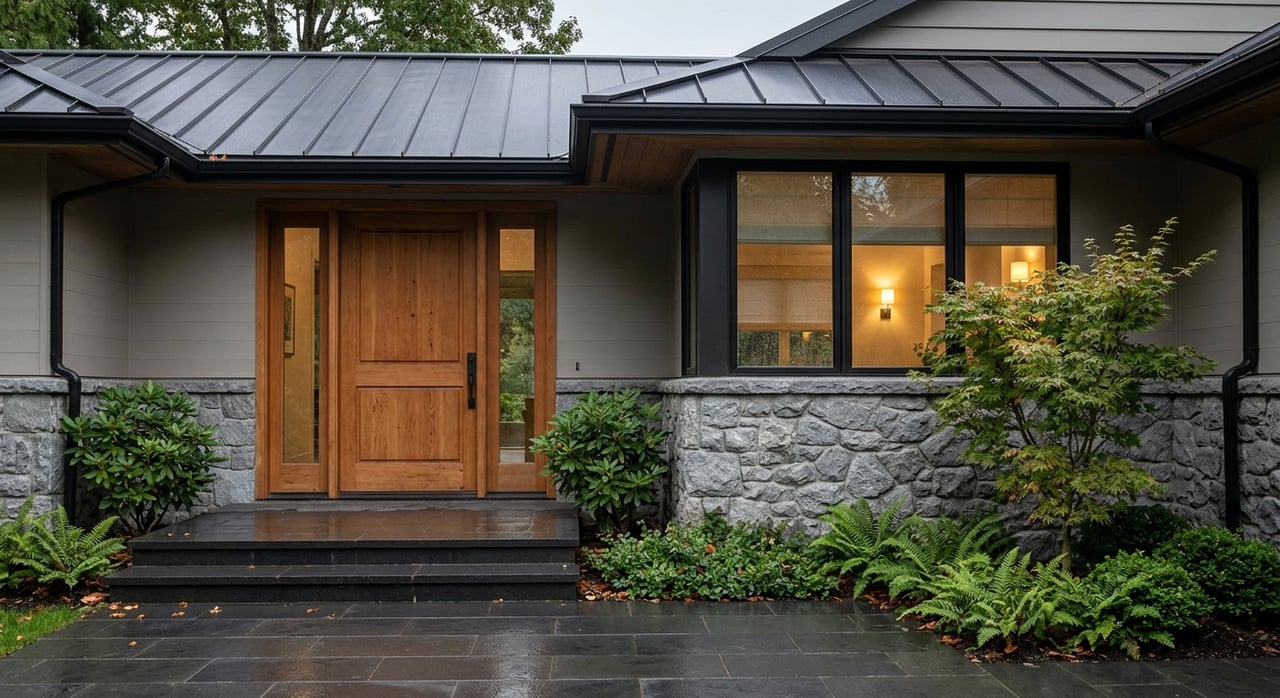
One of the smartest ways to make your home guest-ready is to create a true transition zone at the entry. In Gearhart, guests often arrive with sandy shoes, damp jackets, tote bags, and extra layers, so it helps to give those items an obvious place to land before they move into the main living spaces.
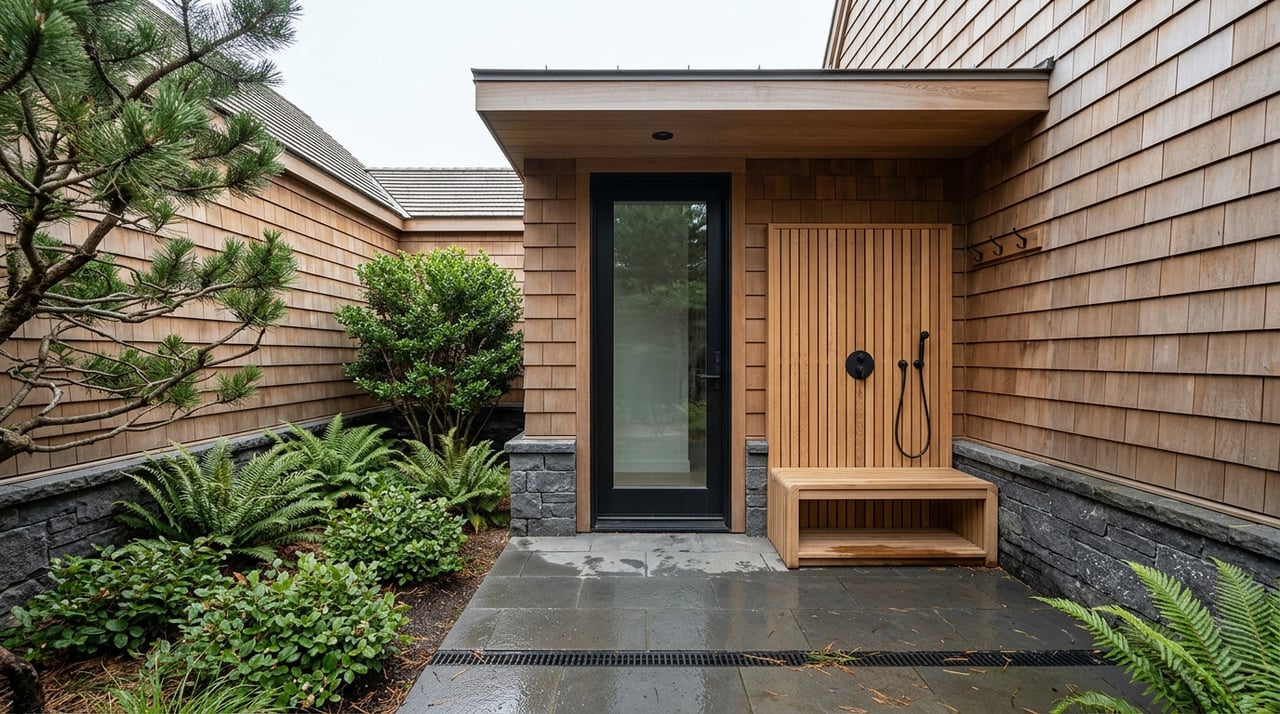
A well-planned entry does not need to be large. It simply needs to work hard. Consider a layout that includes hooks for coats and towels, a bench for changing shoes, durable flooring, and closed storage for beach items that can quickly make a home feel cluttered.
Add a Rinse-Off Option
Because beach access often means bringing sand and salt back with you, an outdoor rinse station, hose bib, or wash-down area can make hosting much easier. This is especially helpful for larger family gatherings or weekend guests who may be coming and going from the beach throughout the day. The logic is simple: the more you can handle outside, the less cleanup you face inside.
Choose Materials That Hold Up
Prioritize Corrosion Resistance
Near the coast, material choices matter more than many homeowners expect. FEMA notes that salt spray is strongest near breaking waves and declines inland, but exposed fasteners can corrode within just a few years in coastal conditions. FEMA also recommends stainless steel within 3,000 feet of the coast and warns that mixing dissimilar metals can speed up galvanic corrosion, according to FEMA coastal construction guidance.
For a Gearhart home, that means your hardware package matters. Door hinges, exterior screws, connectors, rail details, and exposed metal accents should be selected with long-term coastal wear in mind, not just appearance on installation day.
Use Easy-Dry, Durable Surfaces
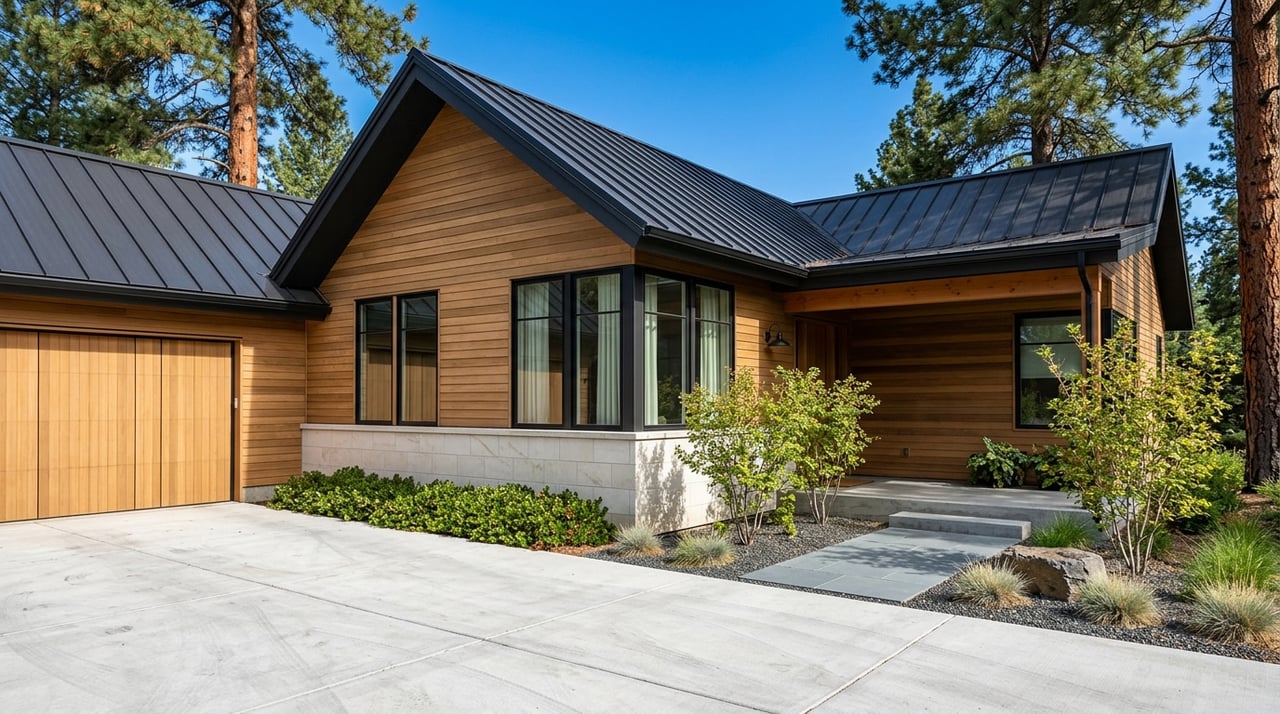
The Oregon Coast is often mild, windy, and foggy, and OSU Extension recommends planning for wind exposure and salt spray in outdoor environments. That makes low-maintenance exterior trim, easy-clean finishes, and surfaces that tolerate frequent dampness especially practical, as supported by OSU Extension’s Oregon Coast guidance.
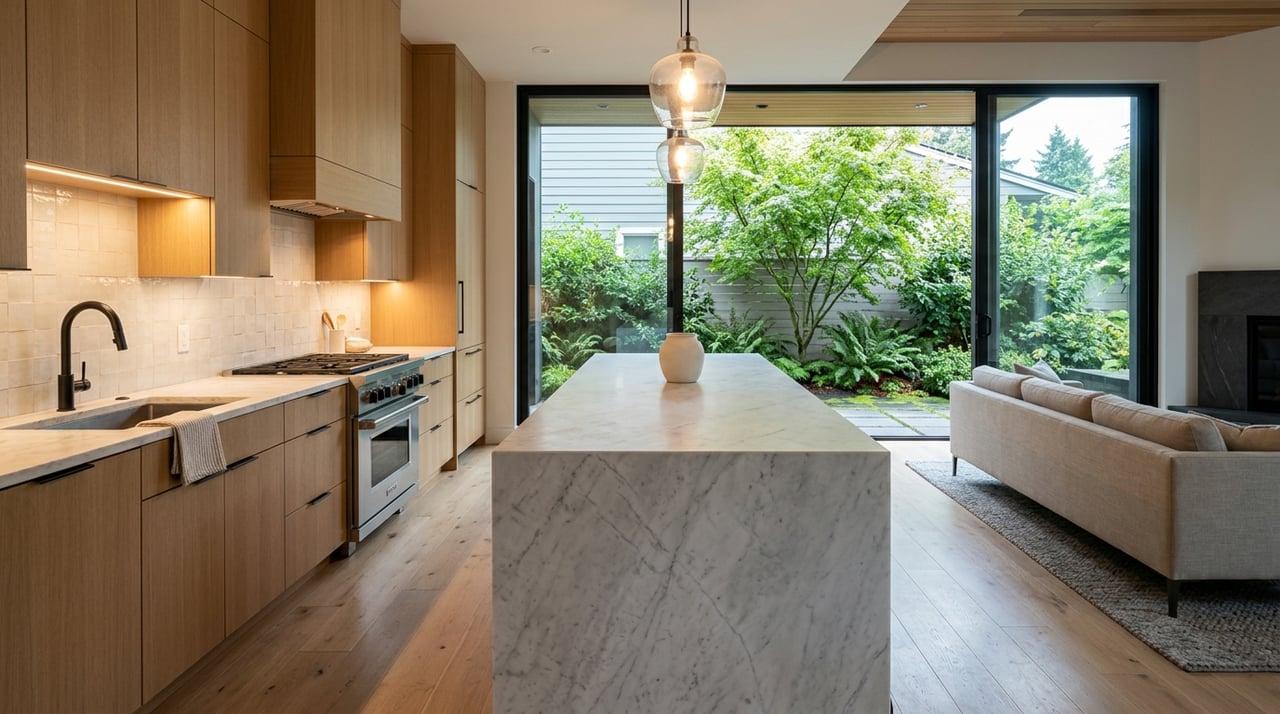
Inside, guest-friendly materials tend to be the simplest ones. Durable floors, wipeable wall surfaces, and furnishings that do not demand constant fuss can help your home feel polished without making every visit feel like a cleanup project.
Design Guest Spaces for Real Use
Keep Bedrooms Simple and Comfortable
Guest rooms work best when they are easy to refresh. In a damp coastal climate, spare sheets, extra blankets, and closed linen storage are practical because textiles can take longer to dry than they might inland. A guest room with uncluttered surfaces and straightforward storage also helps visitors settle in quickly.
You do not need an overly formal setup to make guests feel welcome. Often, the most successful rooms are the ones that feel calm, functional, and easy to maintain between visits.
Support Wet Gear in Bathrooms and Laundry
Bathrooms and laundry areas often carry the biggest load in a beach house. Towel hooks, easy-clean floors, and a nearby laundry zone can make a noticeable difference when several people return from the beach at once.
If you are updating these spaces, think less about decoration and more about flow. Where do wet towels go? Where can guests drop swimsuits or outerwear? When those answers are built into the design, the home feels more relaxed for everyone.
Make Outdoor Areas Easier to Use
Plan for Wind and Salt Spray
Outdoor living is part of Gearhart’s appeal, but coastal conditions can be hard on both structures and landscaping. OSU Extension advises using windbreaks and rinsing salt spray after storms, which supports a more practical approach to porches, patios, and seating areas that can stay usable with less upkeep.
For many homes, this means choosing outdoor zones that feel sheltered and intentional rather than overly exposed. A simple seating area that is easy to clean and protected from wind often gets used more than a larger space that is harder to maintain.
Work Carefully Near Dunes
If your plans involve dune access, vegetation removal, or changes near the beach, it is important to verify what is allowed first. The City of Gearhart states that beach and dune access or vegetation removal requires a permit, includes a city site walk-through, and may be affected by nesting season from February through June, according to the city’s beaches and dunes permit information.
That is a useful reminder for homeowners who want a cleaner or more open look outdoors. In many cases, low-maintenance coastal landscaping means working with the site’s natural exposure and existing conditions rather than trying to strip everything back.
Understand Flood and Hazard Planning
Know the Flood Insurance Basics
For some Gearhart properties, guest-readiness also includes understanding the site’s hazard profile. Clatsop County states that development in a Special Flood Hazard Area requires a permit, flood insurance may be mandatory, and new flood insurance policies typically take 30 days to become effective, based on the county’s Flood Hazard Overlay Zone information.
If you are buying, remodeling, or preparing a coastal property for more frequent use, this is worth reviewing early. Timing matters, especially if you are planning improvements or need to confirm insurance requirements before a closing or renovation schedule.
Factor in Coastal Hazards
Clatsop County also points property owners to FEMA guidance on coastal flooding and corrosion protection, and Gearhart’s emergency preparedness information notes that the city has adopted a Tsunami Hazard Overlay Zone. This does not change the charm of coastal ownership, but it does reinforce the importance of making informed decisions about materials, improvements, and permitting.
A well-prepared home is not just attractive. It is also better aligned with the realities of the coast.
Focus on Upgrades That Reduce Chores
When you step back, the best guest-ready upgrades are usually the least flashy ones. They are the details that keep the home feeling calm after a rainy walk, a sandy beach day, or a full holiday weekend.
A few of the most useful features include:
- A defined entry zone with storage for shoes, jackets, and towels
- An outdoor rinse-off area or wash-down station
- Corrosion-resistant exterior hardware and connectors
- Durable, easy-clean floors and surfaces
- Closed linen storage in guest rooms
- Plenty of towel hooks near bathrooms or laundry
- Outdoor seating areas that account for wind and salt exposure
These choices help your home support the way people actually gather in Gearhart. They also tend to preserve a home’s appearance over time, which matters whether you are enjoying the property yourself or thinking ahead to future resale.
A thoughtfully prepared coastal home should feel inviting without feeling high-maintenance. If you are considering buying, preparing, or positioning a Gearhart property, Spurlock & Williams Real Estate brings a concierge-level, design-aware approach to helping you evaluate what adds comfort, durability, and long-term appeal.
FAQs
What finishes hold up best in a Gearhart coastal home?
- FEMA guidance supports using corrosion-resistant materials near the coast, including stainless steel within 3,000 feet of the shoreline, along with carefully matched metals to reduce corrosion risk.
How can you keep sand from spreading through a Gearhart beach house?
- A dedicated entry zone with shoe storage, towel hooks, durable flooring, and an outdoor rinse-off area can help contain sand before it moves through the house.
Is flood insurance required for a Gearhart property?
- Clatsop County states that flood insurance may be mandatory for properties in a Special Flood Hazard Area, so it is important to verify the property’s status early.
What guest-ready upgrades make a Gearhart home easier to manage?
- The most practical upgrades usually include a hardworking entry area, easy-clean materials, nearby laundry support, closed linen storage, and outdoor wash-down features.
Do Gearhart dune or beach changes need a permit?
- Yes. The City of Gearhart states that beach and dune access or vegetation removal requires a permit, and timing can be affected by seasonal nesting considerations.